
Echoes
Alumni newsletter August 2025


Shifting Focus
Alumnus Rob Olver transitioned from veterinary care to vista capture.
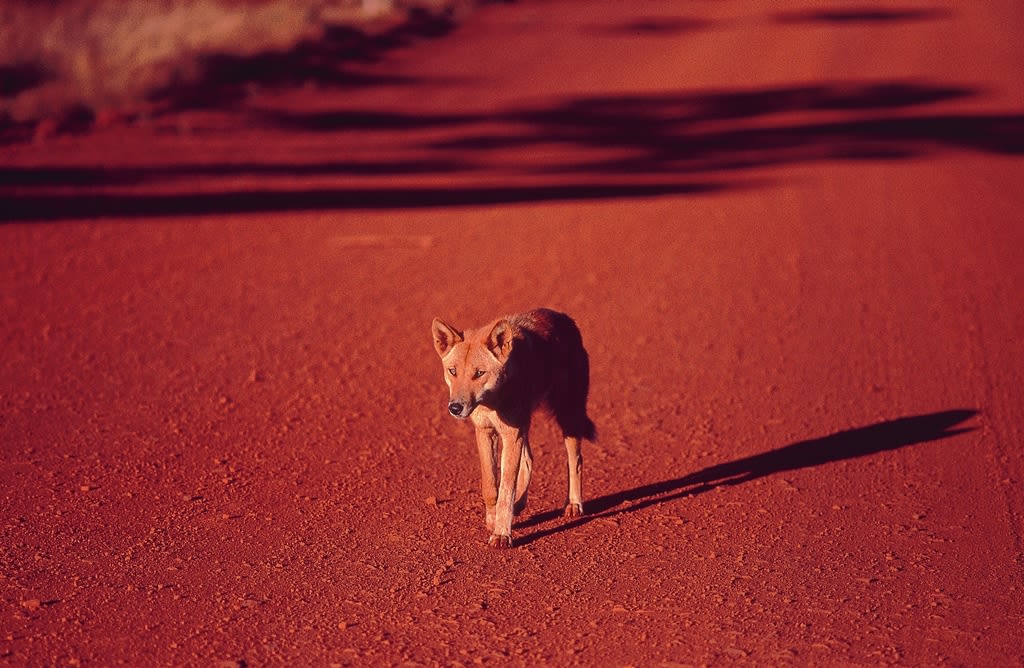
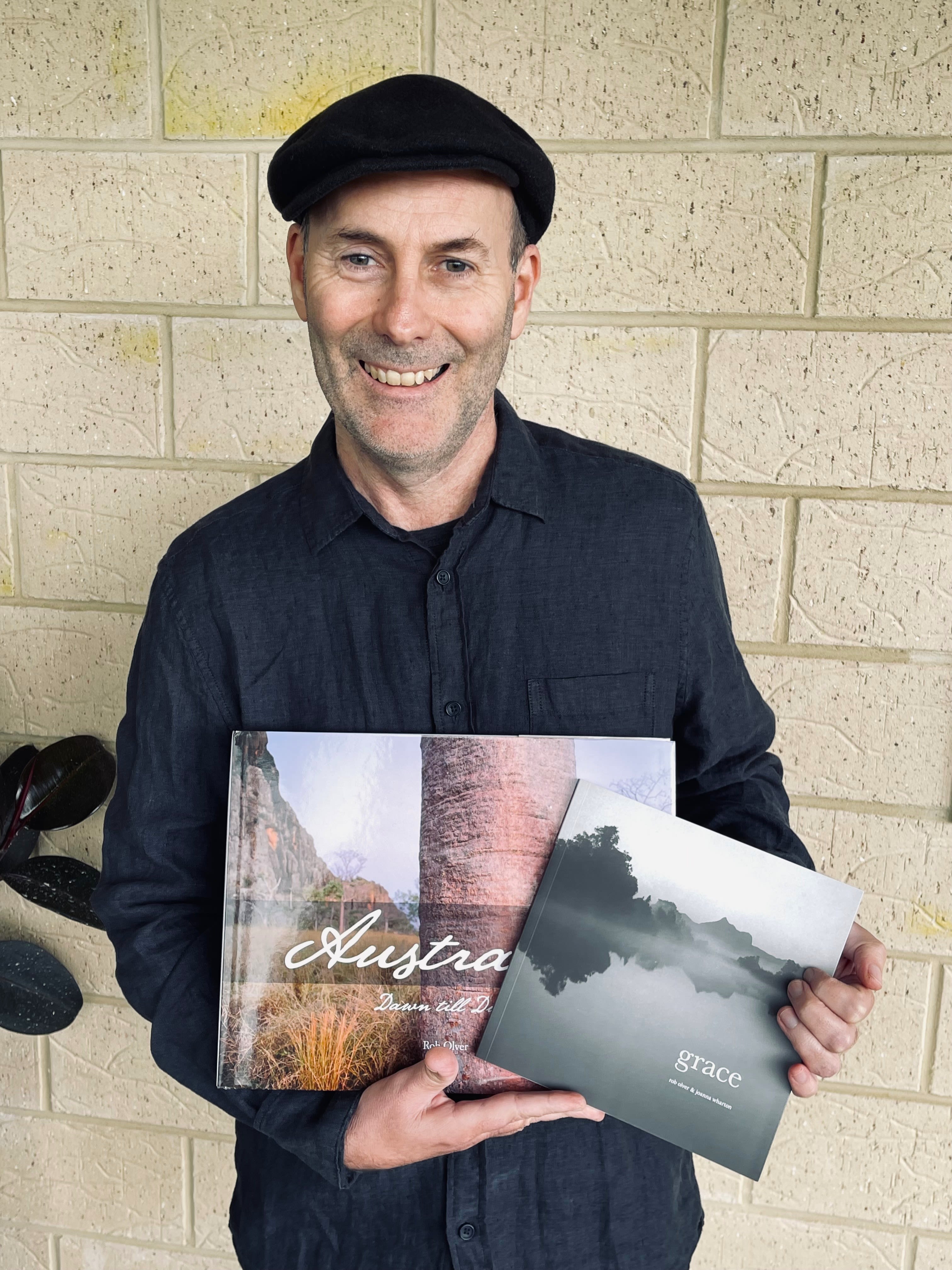
Alumnus Rob Olver (BVMS 1991) spent 25 years working as a veterinarian in Western Australia in both metropolitan Perth and regional towns. Towards the end of his career, the stresses of the profession began affecting his health and he transitioned to become a full-time landscape photographer. Now with several beautiful books to his name, Rob is delighted a lifelong hobby has become his vocation.
One that brings him a daily rejuvenating immersion in the natural world. We caught up to find out a little more…

You studied veterinary science at Murdoch
– did you enjoy it?
Yes, I enjoyed my study at Murdoch. The veterinary science course was interesting and challenging. I still remember pregnancy testing cows at the Vet School farm in the middle of winter! The amount of study and learning that we did was huge!
How long were you in the veterinary profession for?
I practiced for 25 years. I mainly worked in small animal practice in Perth and also travelled to work in regional areas like Albany, Newman and Tom Price.
What made you leave it?
I enjoyed many aspects of being a vet, for example surgery and diagnosis of illness. I think that the life and death aspect of Veterinary Science eventually became difficult for me. In some ways I probably cared too much for my patients.
Had you always been
interested in photography?
Yes, I have had a passion for photography from a young age. My parents gave me a black and white photography book on the Drakensberg mountains of South Africa before we emigrated. I got my first camera in 1984, soon after emigrating to Australia, and have been a shutterbug ever since.


Was it always landscape photography that grabbed you?
Yes, I love mountains and bushwalking, and landscape photography is a natural extension of this.
Your 2011 trip round Australia in a Toyota Camry sounds like a life-changing experience - was it?
Yes, definitely. The trip took 5 months and eventually I relaxed and entered a whole new state of being. Some difficult emotions came up but only when I was ready to receive and process them. It was such a life-affirming journey and I saw some amazing places!
What were some of the personal revelations or breakthroughs that came from completing such a major solitary endeavour?
I realised that my main passions are in helping achieve sustainability in the world and protection of nature. We are nature and we need to get back to a better understanding of how important it is to be respectful and responsible towards it.
Your online profiles mention challenges battling mental health challenges. Does being in and documenting nature help?
Yes, being in nature certainly helps me a great deal! It is calming and inspirational. I can experience emotions and process them in a safe way. It helped me to deal with some of the difficult emotions from my working life.


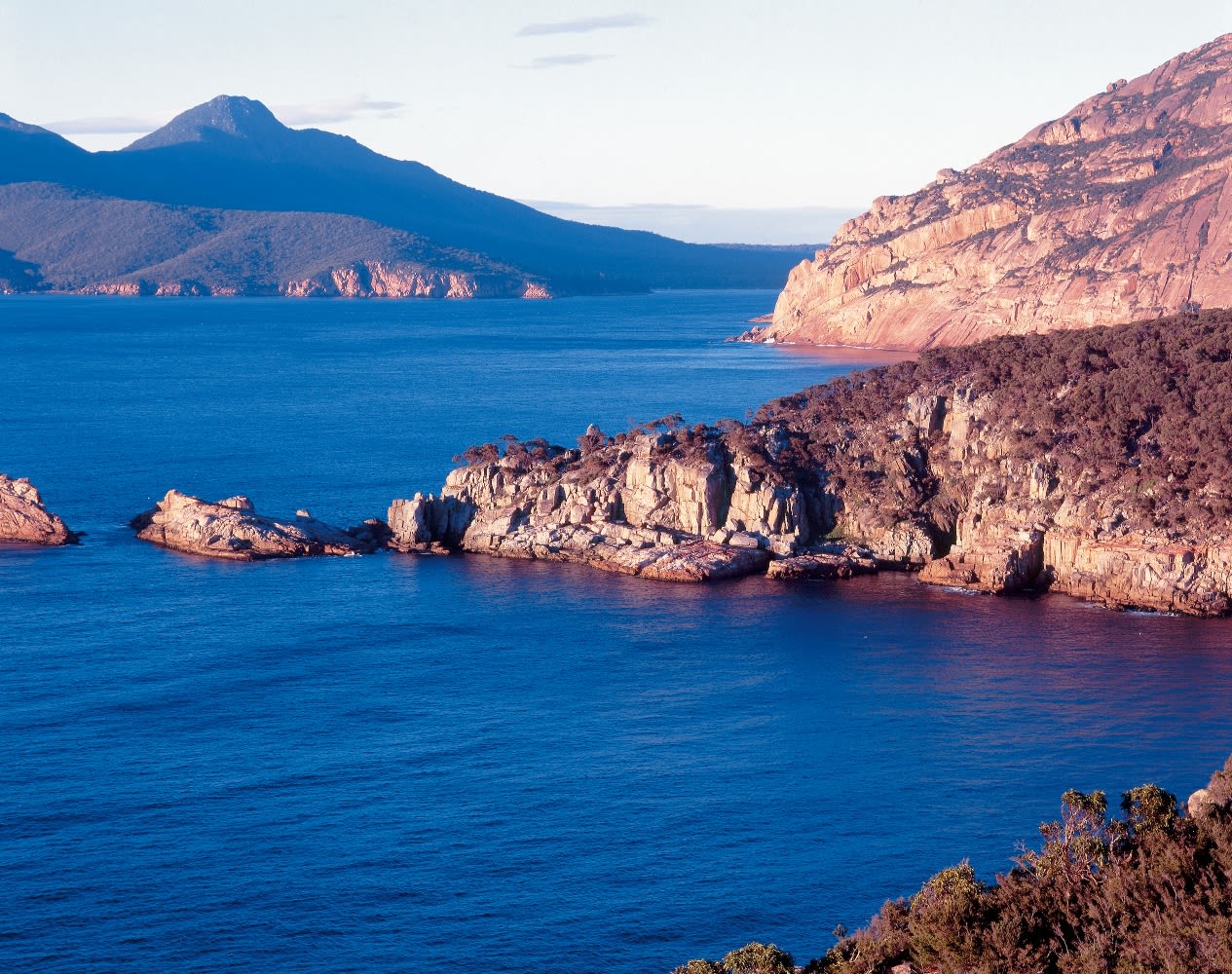
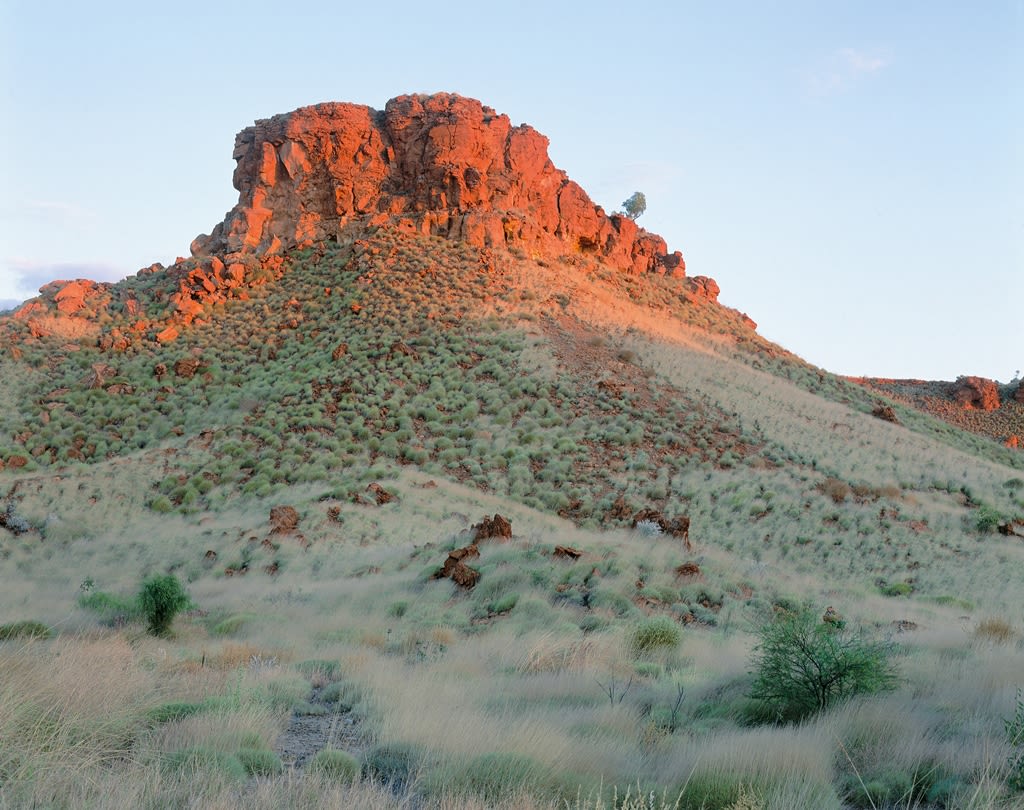
What are some of the most amazing places in Australia that you have been?
The Kimberley region is undoubtedly the most spectacular part of Australia. The geology, scenery, plant and animal life are amazing! You still feel that much of this region is a pristine wilderness where nature is in control.
What book would you love to do in the future?
I would love to do a book celebrating nature, with images capturing the beauty and resilience of nature. If we give nature time and space, it has the ability to heal itself. We need to become more custodial in our response to the natural world. The book would also have a small amount of text highlighting our interdependence and reliance on nature.
All photos by Rob Olver



50th Anniversary
VC Roadshow
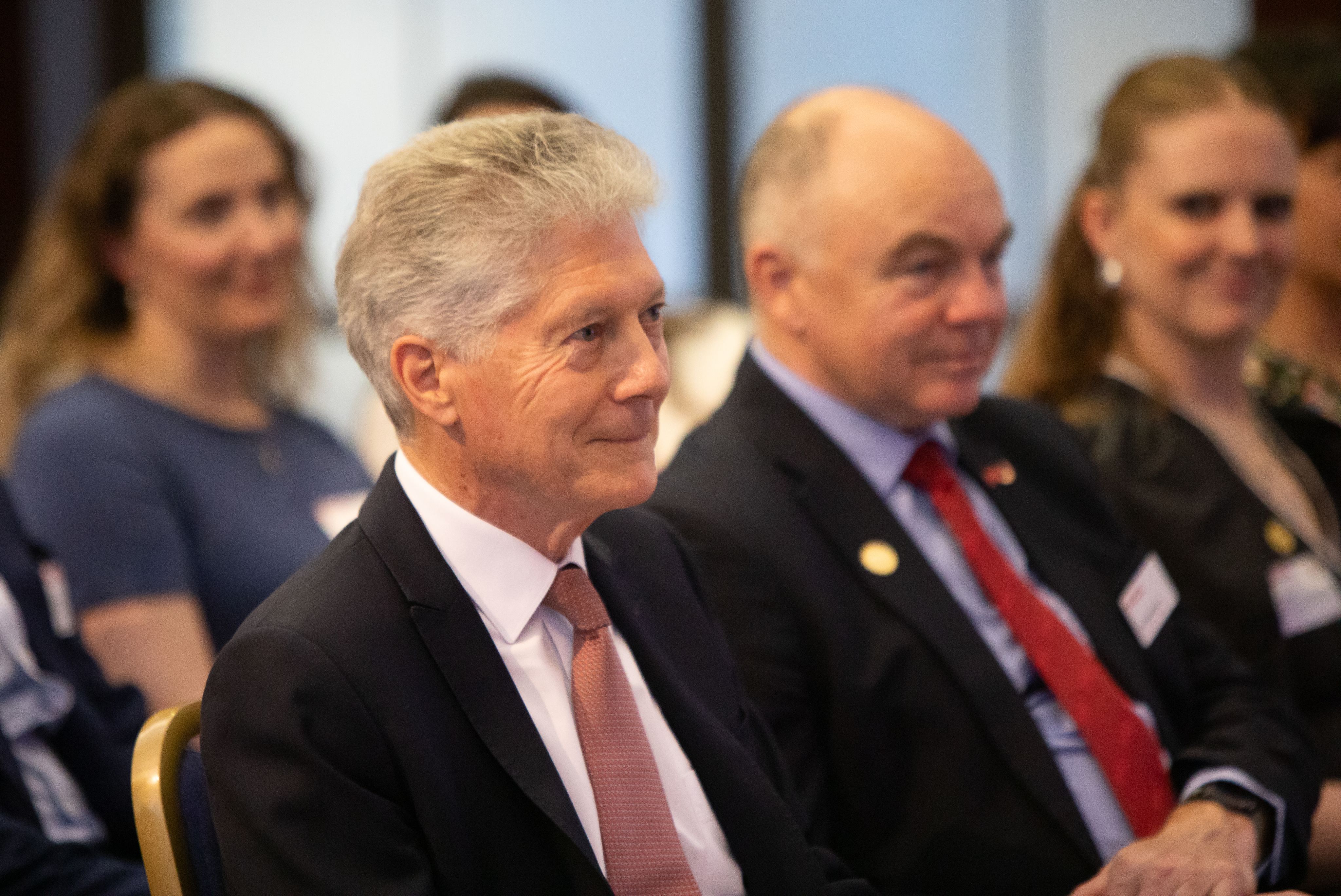
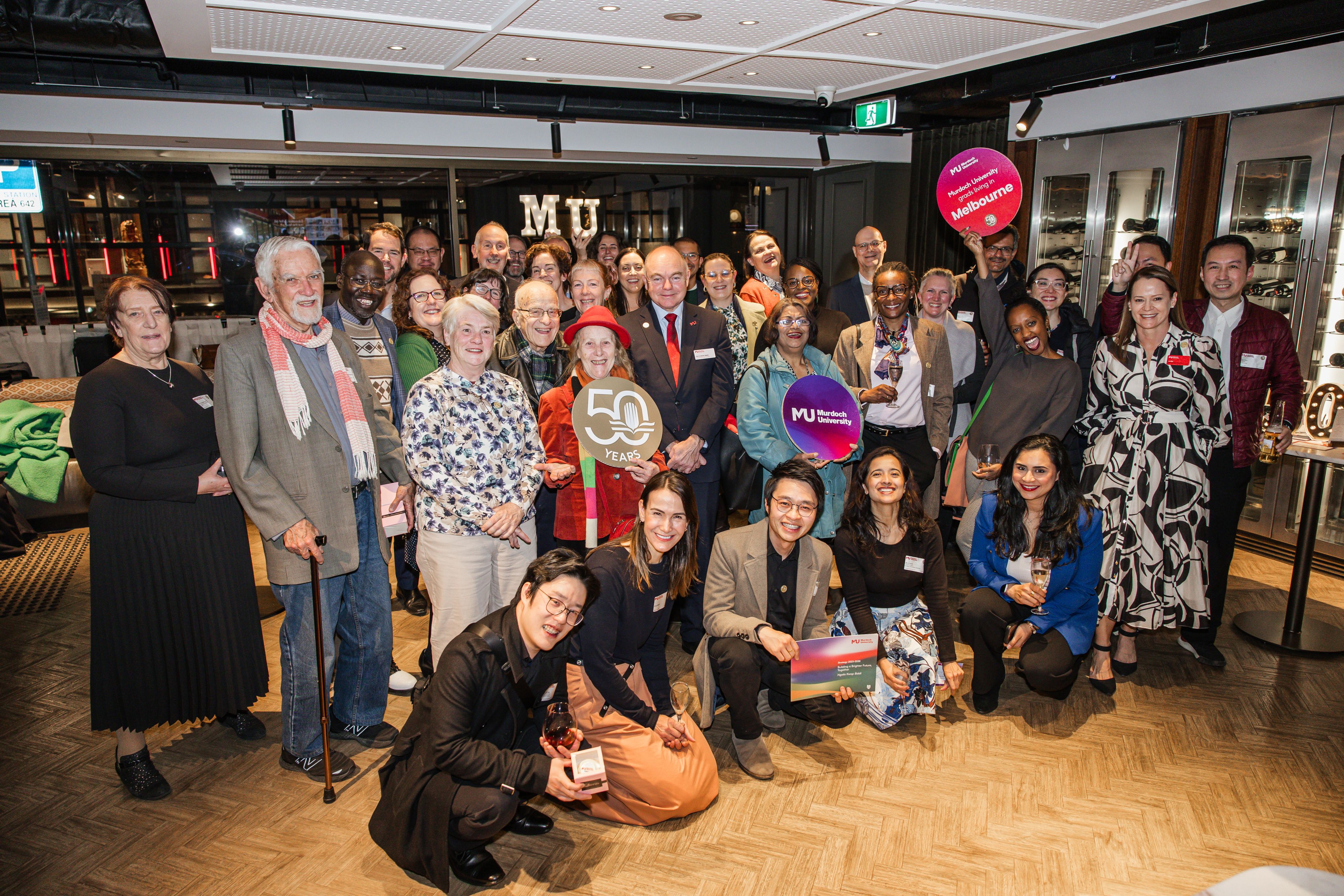
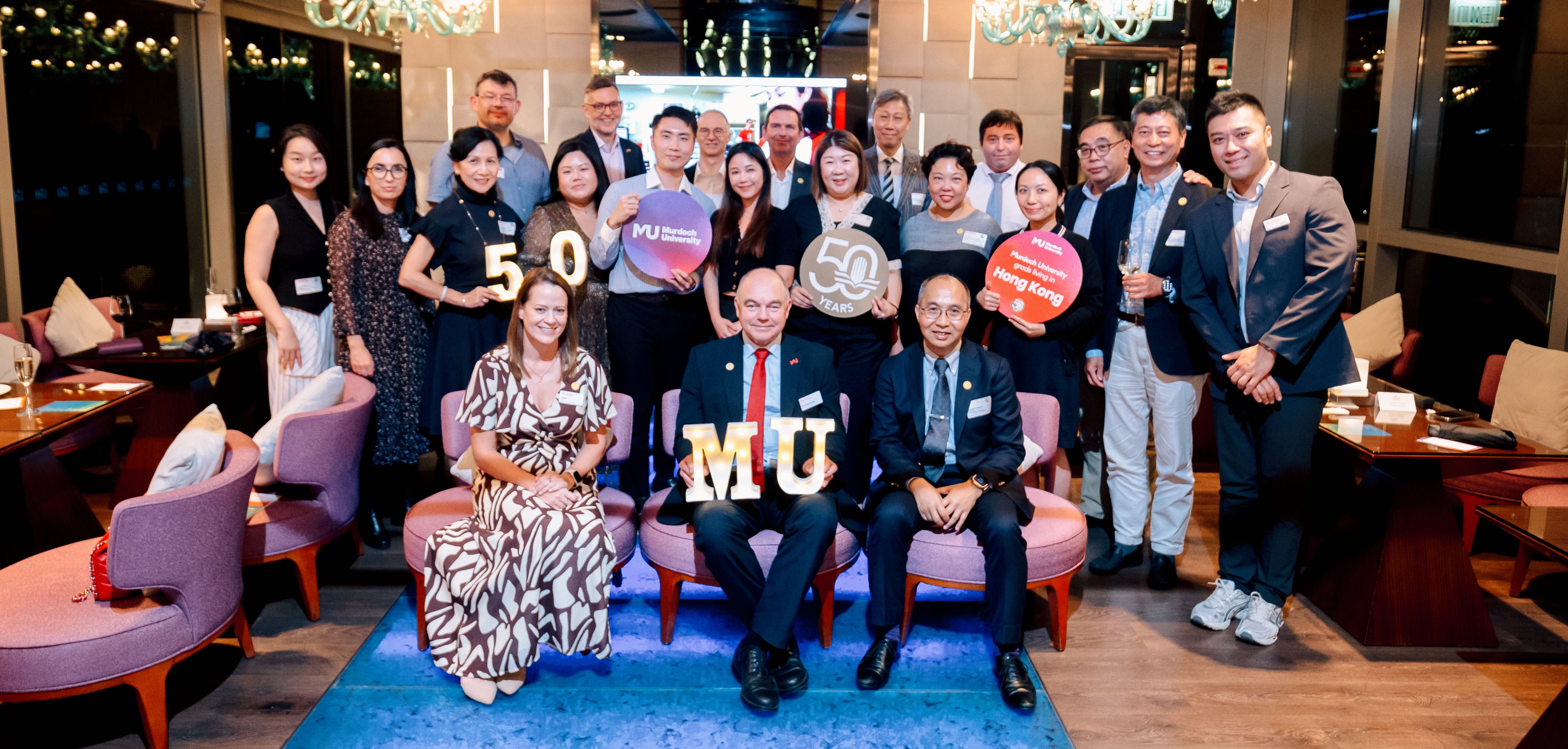
Over the last couple of months as part of the University’s 50th anniversary celebrations, the Vice Chancellor has been on a roadshow meeting alumni across Australia and the globe.
Joined by Alumni and Philanthropy Director Jo Nitz, he visited Brisbane, Sydney, Melbourne, Adelaide, Hong Kong and London. For London the venue was the prestigious Australian High Commission with a keynote speech from the current High Commissioner and former Perth based Minister the Hon Stephen Smith. As part of the University’s drive to strengthen alumni engagement both local and globally, Professor Deeks enjoyed the opportunity to have direct connection with Murdoch alumni.
“I was pleased to have the chance to talk with senior alumni about their time at Murdoch, how it shaped their careers, and how progressive and innovative Murdoch University was in its early years. A number reflected that, at the time, Murdoch University was the only university in Australia offering the courses they studied. There was also much fond recollection of the ‘foundation units’, with a number of alumni taking the time to emphasise to me the importance of students studying units outside their home school,” he said.
Further 50th anniversary roadshow celebrations are planned for later this year in Dubai, Singapore and Malaysia.





Donors open doors for regional and remote students.
The 50 scholarships in celebration of our 50 years initiative continues its pursuit to raise at least $250,000 for undergraduate students (including First Nations students) living in regional or remote areas who may be experiencing financial hardship. We are delighted to say that the initiative is well on its way to its initial target with generous philanthropic support now totalling more than $212,000. This has funded 42 scholarships with 28 awarded thus far.W
The life changing impact of these scholarships has been made possible by a range of generous donors seeking to open the doors of higher education to those who have often missed out previously.
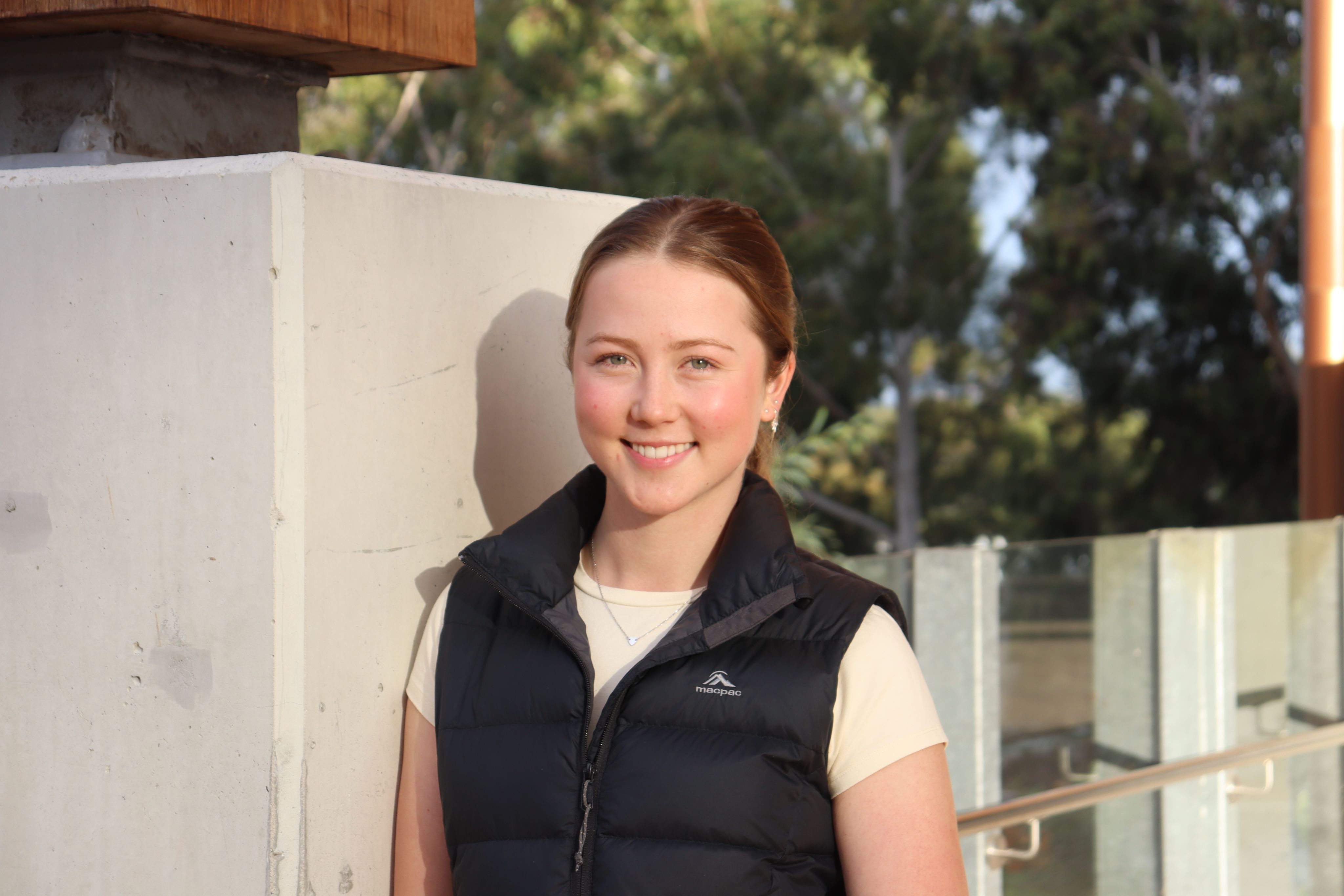
One of the recipients, BSc/DVM veterinary student Annabelle Trezise (at right) outlined the enormous impact the scholarship has had.
“I am a rural student who independently supports myself through university life. The financial challenges that I face are immense, starting from the move to Perth, to my daily expenses of rent and food shopping. This scholarship has supported financial funds, but in doing so has eased the burden and provided a smoother sailing ship in these new seas. Without this support, I would be forced to spend more time working, and in turn have less time to study."
20 year journey to our nation's capital

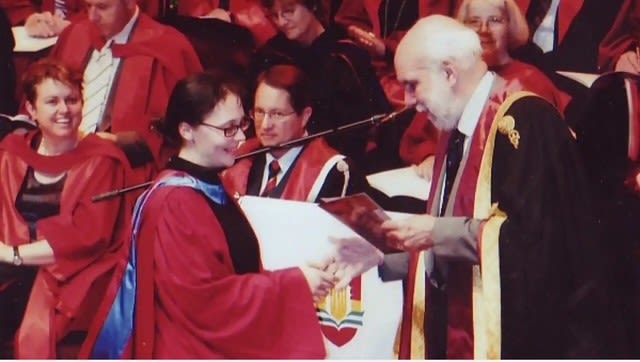
Alumna Gabrielle Trenbath left Murdoch in 2005. Demonstrating incredible perseverance and fortitude, she has forged a career in nursing and now the public service.
Refusing to let cerebral palsy or neurodiversity dampen her ambition, Gabrielle is loving her role in Canberra and wanted to share her personal journey to help others tackling adversity and employment hurdles. Here's her story...
Beyond traditional pathways: My journey through disability, employment, and board leadership
Every adventure begins somewhere, and my mine began at Murdoch! Starting with a Certificate IV at TAFE, I continued my education path by earning a double Arts Degree in Politics and Communications, topped off with a Postgraduate Diploma in Policy Studies. This journey gave me the skills to see the big picture and to spot connections between people and issues, and to communicate my messages clearly and effectively.
Living with Cerebral Palsy, Autism and ADHD, what I learnt at Murdoch helped to navigate a world that sometimes creates barriers for those with disabilities. My education gifted me not just book smarts, but real-world skills that have become the heart of my professional growth and my passion for advocacy work.
Getting a steady job has been my biggest hurdle. It took me 20 years to land my position in the Australian Public Service (APS). Along the way, I faced many obstacles - physical access problems, hidden biases, and direct discrimination. Before this, I worked in hospitality and as a nursing assistant while trying to find professional work that matched my qualifications.
It was while I was working as a nursing assistant that I applied to participate in Leadership Western Australia’s LeadAbility Program and in doing so it was suggested that I nominated for a position on the board of Avivo, a community service provider in WA.
This suggestion came as a complete surprise.
At that stage, I thought such roles were usually held by senior lawyers, doctors, accountants and not someone like me who was working in nursing. But soon enough, I was appointed as a non-executive director.
One thing led to another, and I soon joined the board of a WA State Government department, a Family and Domestic Violence Shelter, Physical Disability Australia, Music for Canberra and, more recently, National Disability Services which is an industry peak body for disability service providers.

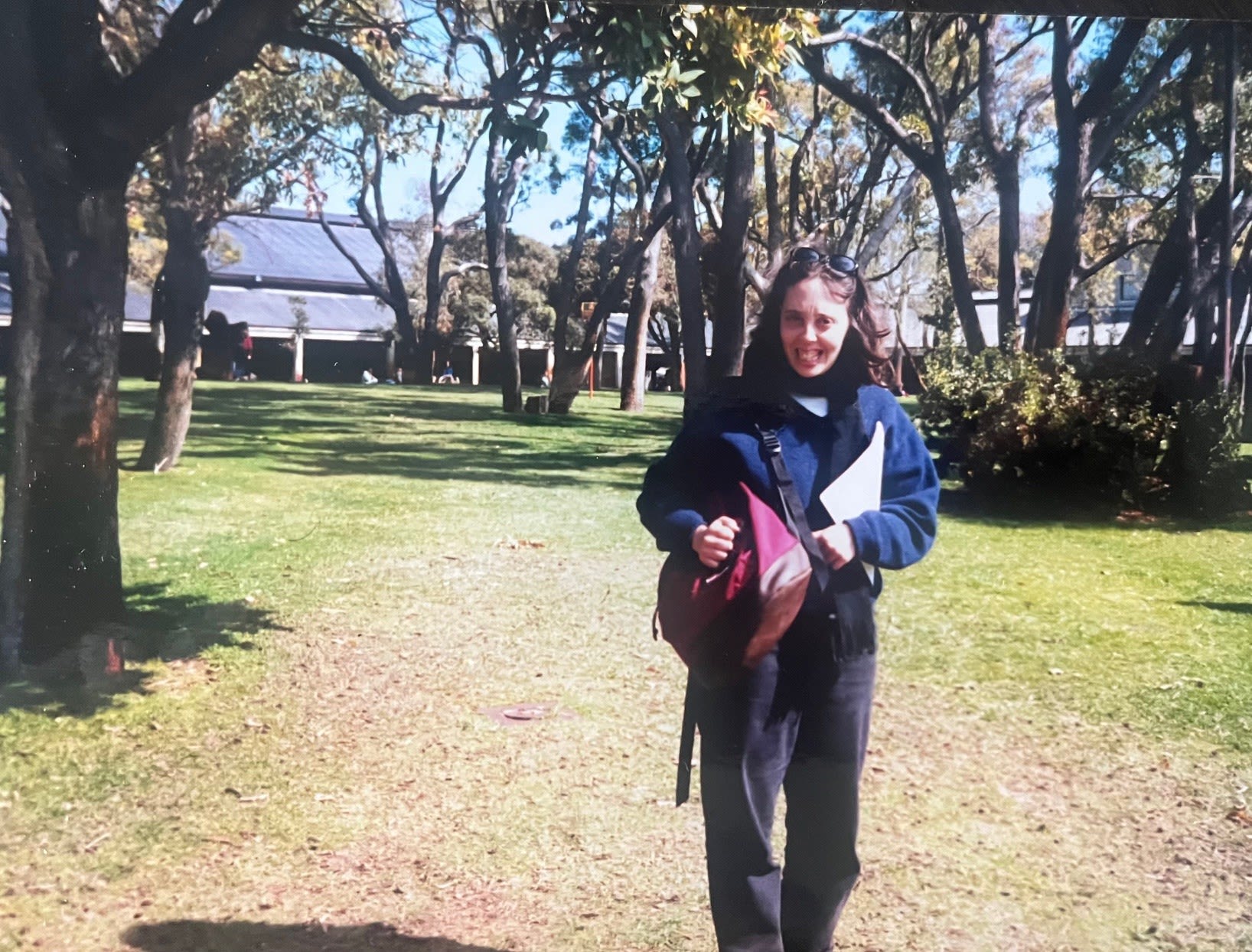
These governance roles allowed me to apply my skills and lived experience in spaces where decisions affecting people with disabilities were being made.
Through my board work, I was able to gain the skills and confidence to pivot into new job roles and sectors. 17 years after graduating with my Murdoch degree, I was able to participate in the Department of Communities Graduate Program which assisted me in securing on-going employment with both the state and federal governments.
But it is also more than that. Sitting on boards allowed me to observe firsthand the strong correlation between board representation of people with disabilities and employment outcomes.
When people with disabilities serve on boards, organisations make more inclusive decisions, implement accessible policies, and recognise the value that disabled individuals bring to the workplace.
My time at Murdoch helped me to understand the power of media in shaping perceptions, I've partnered with both ABC and SBS to raise awareness about disability employment. These collaborations have enabled me to advocate for the inclusion of individuals with disabilities at all levels.
By sharing my personal journey and highlighting systemic barriers, I've worked to change the narrative around disability employment from one of charity to one of recognising untapped talent and potential.


Advice for future leaders
For students and graduates with disabilities aspiring to leadership positions, I would like to offer some practical insights:
Look beyond traditional employment pathways.
Board positions, advocacy roles, and entrepreneurship can provide valuable experience while contributing meaningfully to causes you care about.
Invest in governance training.
In Australia, professional training is offered by the Australian Institute of Company Directors (AICD). The AICD is the country’s leading membership and education organisation for directors, board members, and aspiring directors in the corporate, government and not-for-profit sectors. AICD offers a range of governance and directorship courses, workshops and online modules. There are many opportunities to gain formal qualifications, and it also offers great networking opportunities.
Look for scholarships.
There are many available such as:
🔗 Chant Legacy Scholarship for Corporate Governance and Risk Management studies
🔗 Board Observership Program
🔗 Emerging Leaders in Governance
🔗 Social Impact Hub – Scholarship opportunities for people with disabilities
Build networks through volunteering.
As I discovered, programs like the Leadership WA programs can help develop communication, teamwork, and self-advocacy skills crucial for success in the boardroom.
Partner with advocacy organisations that can amplify your voice and connect you with opportunities.
Remember that your lived experience is valuable. The unique perspective you bring as a person with a disability is an asset to any organisation committed to true inclusion.
The road to leadership as a person with a disability remains challenging, but through persistence, strategic skill development, and by charting alternative pathways, meaningful contribution is possible. When we increase representation at decision-making tables, we improve outcomes not just for ourselves, but for all people with disabilities.

From black gold
to green power

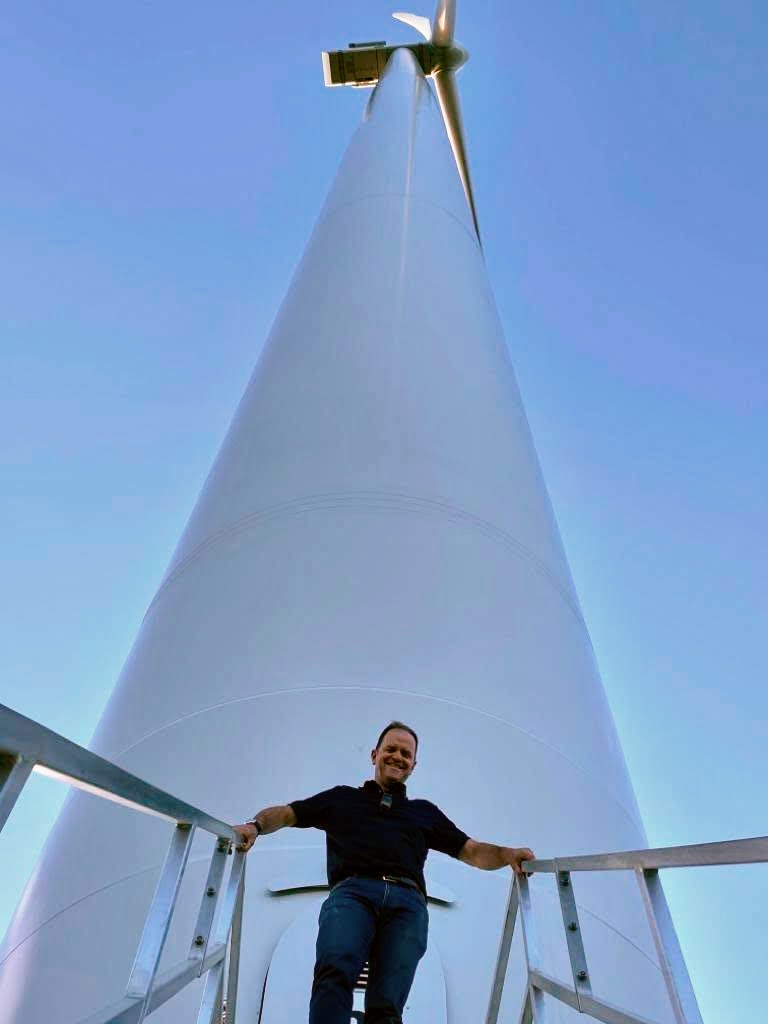
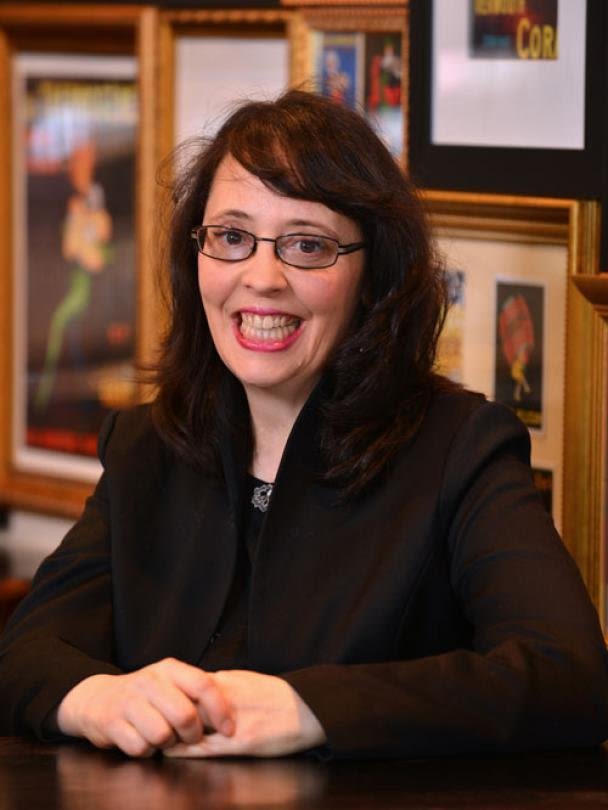
Alan Morrell is a passionate and well-connected alumnus who credits his time at Murdoch as a cornerstone of his successful career in resources, renewable energy and executive leadership.
Maintaining a strong commitment to his alma mater, Alan is currently joining the inaugural Murdoch Sydney Alumni Network Leadership Group. We caught up recently to discuss his professional career and desire to steer opportunity for local alumni.
Why did you choose to study at Murdoch?
As the first person in my entire family to ever attend University, my initial approach to the sector was a bit overwhelming. Murdoch had a genuinely welcoming attitude to mature age students that impressed me. I was also interested in China and Asia so the ‘Asia Research Centre’ was ideally suited to me.
What did you learn here that has served you in your professional life?
I did a B.Comm with majors in Marketing and Asian Studies. It was purposely a broad sweep of subjects as broadening my knowledge was a key objective for me. I can honestly say I’ve drawn on every subject I studied as part of my degree! Units in Commercial Law, Chinese language, accounting and even anthropological theory (a real mind opener that I loved) not only helped me secure future work roles, but they also helped me navigate some very complex business environments in China, Pakistan, the Philippines and Dubai. In short, they helped build my compass.
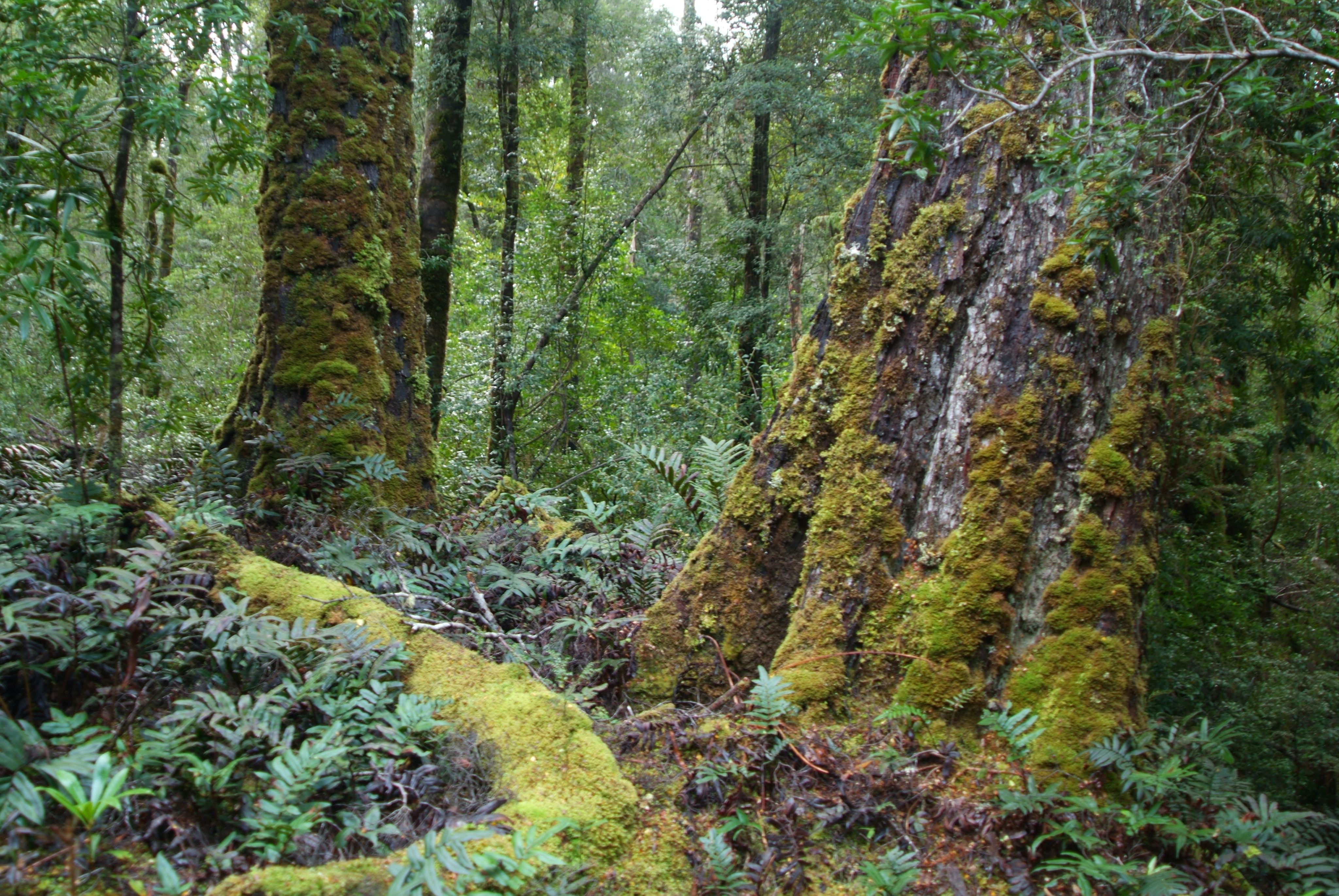
You have a deep connection to Tasmania’s West Coast – did you grow up there or live there for a period?
Note: I’ve been working on renewable energy projects in Tasmania for 10 years and while I have got to know the West Coast quite well, might not be classed as a deep connection… I grew up in Sydney and, as part of a very mobile career path, spent several formative years living in Perth, hence my time at Murdoch. I am attracted to some of the wilder environments and the untamed nature of the west coast is captivating. It’s also a bit edgy, especially in winter when the wind howls and the dense forest has its own mystique. I love it!
What is it about the region that is special for you?
I first experienced the west coast of Tassie on a bicycle as I completed the ‘Giro d’Tasmania’ solo (a 1,200km loop of the island). It’s unlike anywhere else in Australia, indeed unlike anywhere else in Tassie. Most people head to Hobart and Launceston, but I always recommend spending time on the west coast. Strahan, Corinna and the Tarkine wilderness are wonderful places that are refreshingly different – remote and special.

What was the career path that took you to working in renewable energy?
I started my career in oil and gas, working in central Australia, the North Sea and Middle East. I call this working on the ‘dark side’. Going to Murdoch was part of a major career change. It worked and I spent 20 years in diplomacy working for Austrade. While living and working in China in 2007 I started engaging with environmental technologies. I love what the industry is trying to achieve, and my oil and gas background gave me insights into how to get things done. My fascination grew and by the time I was ready to step away from the Government sector I realised I had skills and experience that could readily transfer to the renewable energy industry. I’ve now been in this industry for over 10 years and have a real passion for making a difference to how we deal with climate change.
What advice would you give to others looking to work in the industry?
It’s a very exciting time in the industry. The scale and the pace of innovation is breathtaking, and this is leading to huge opportunities and demand for people with a wide range of skills. I'd say focus on your main interests; whether that be engineering, ecology, chemistry or community engagement and seek out opportunities to get involved. There are several doorways in!
You spent many years working as a Senior Trade Commissioner in Asia. What was that like and what did you take away from it all?
It was amazing and also a real privilege. It was challenging work that also enabled me to have the most incredible experiences. I’ve travelled to almost every province of China, hiked in the mountains of Pakistan, and walked the streets of Kabul. I’ve always loved cross-cultural environments in a workplace. They can be complex but also very rewarding. If there’s one lesson I’ve been taught over and over it’s that it’s always better to focus on the similarities between people rather than the differences. An open mind and engaging attitude can take you a long way in life!
You are keen to be involved in the Murdoch Sydney Alumni Network. How would you envisage the group working successfully and what would you like to establish?
Alumni have the common study experience and, I think, a certain ethos to match. Relatively speaking, there aren’t too many of us in Sydney but hopefully an active Alumni network can bring a few more together. I think it works both ways – Alumni can help raise the profile of Murdoch within the Sydney community which, I think, helps all of us. We’re also interested in getting together occasionally to learn about or discuss common topical issues or to hear about some of the latest developments or news from parts of the Murdoch ‘family’. There’s clearly a lot of good things happening on campus and in the research/innovation space.
What is the best advice you have ever been given?
‘This, above all, to thine own self be true’ – Shakespeare of course (Hamlet). When making difficult decisions or faced with conflicting paths, it’s always an excellent reminder of what’s truly important.

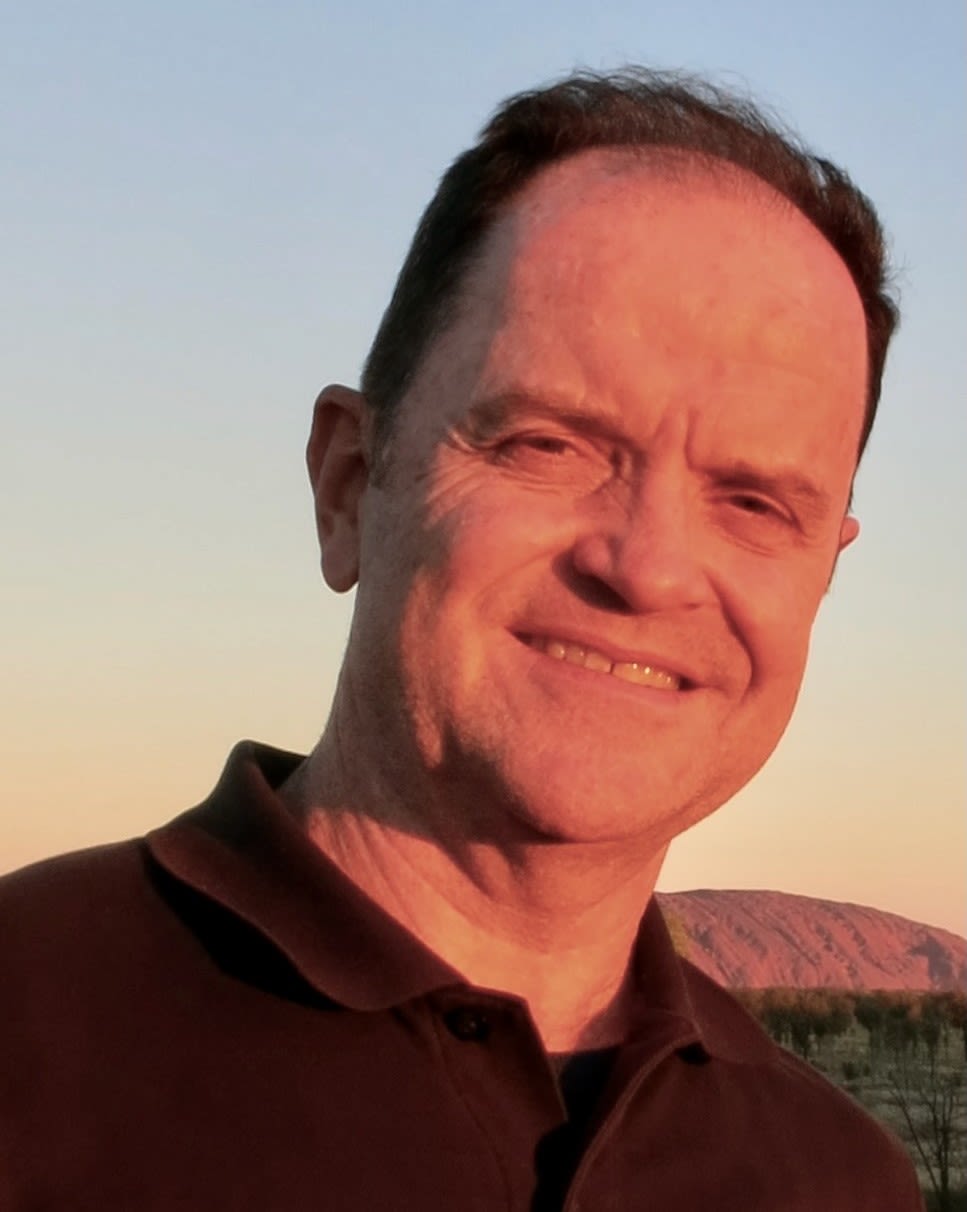
Murdoch alumni networks are forming in cities across Australia, internationally and around disciplines. They are led by passionate alum who create opportunities for graduates to connect and expand their personal and professional network. To join or learn more about networks in your region or field head to Murdoch Alumni Networks.
In print
A space where we document some of the books produced by our talented alumni.
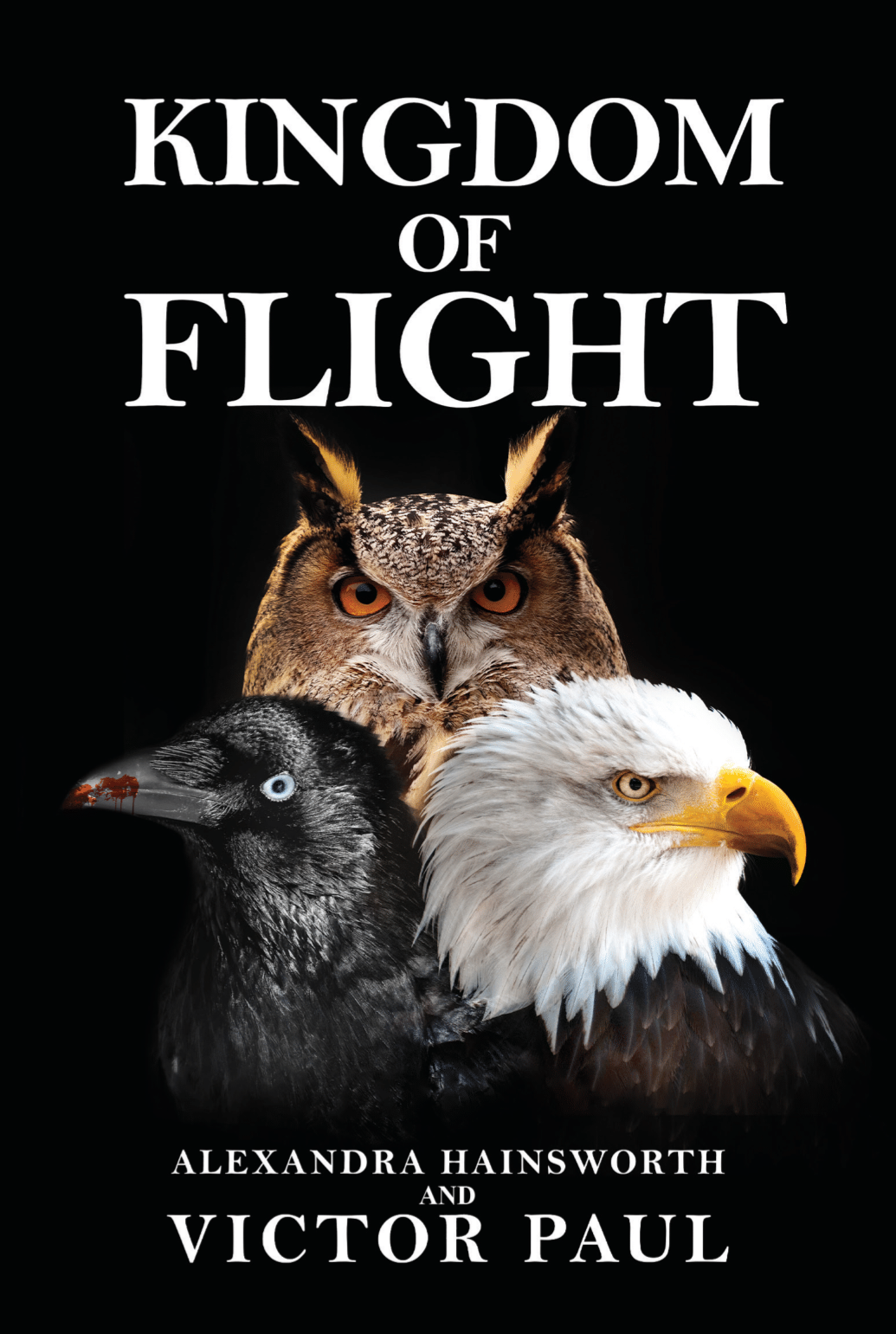
Kingdom of Flight is the forthcoming debut dystopian novel from Alexandra Hainsworth (B Psych (Hons) 2014, Grad Dip Psych 2015) , co-written with Victor Paul. The book transports readers to the year 5000, when the vast ocean has swallowed nearly all of Earth, sparing only a solitary landmass called Salvation. Here, birds have inherited the world once ruled by humans, guided by the wisdom of their sovereign, Eagle King Zoltan. For centuries, the Kingdom of Flight has known harmony atop Salvation’s rugged peaks. Yet looming turmoil threatens to upend their fragile peace. As ancient rivalries resurface and the boundaries of trust and loyalty are tested, the birds must confront unsettling truths about themselves and their kingdom.
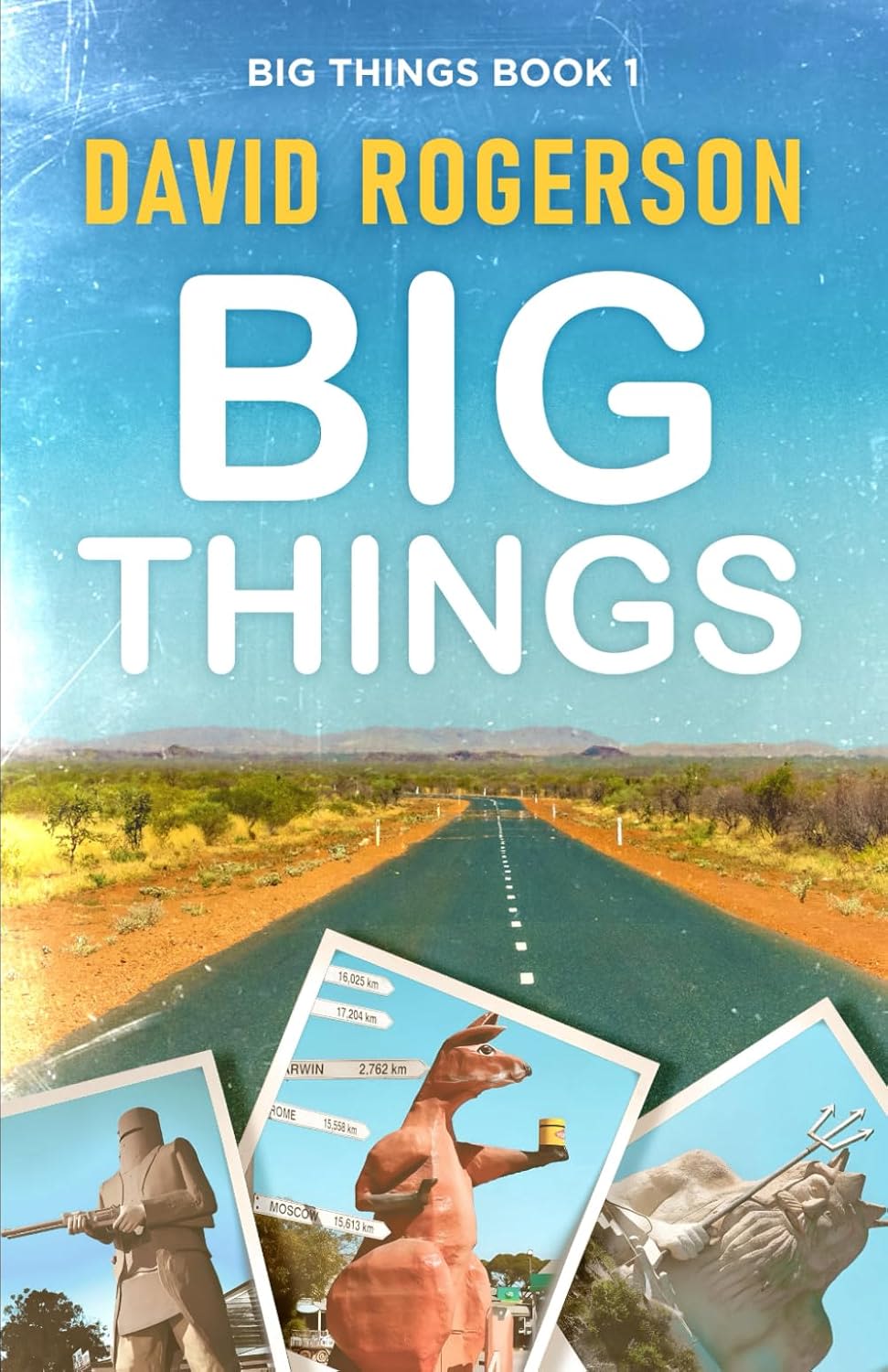
Big Things was a true passion project for writer David Rogerson (BA Eng & Comp Lit. 2000 B Laws 2005). It's set in Western Australia (note the State’s very own King Neptune on the cover) and it's filled with quirky Aussie humour and a heap of local entertainment pop culture Easter eggs for the more eagle-eyed reader.
After graduating from Murdoch University, David ventured into the world of storytelling across multiple mediums, from television to magazines. Previously completing two children’s books and recently finishing a mystery, writing a novel had always been an ambition for David - one finally realised with the release of Big Things last month. With barely time to draw breath, David is now under contract for its sequel, fittingly titled Bigger Things.
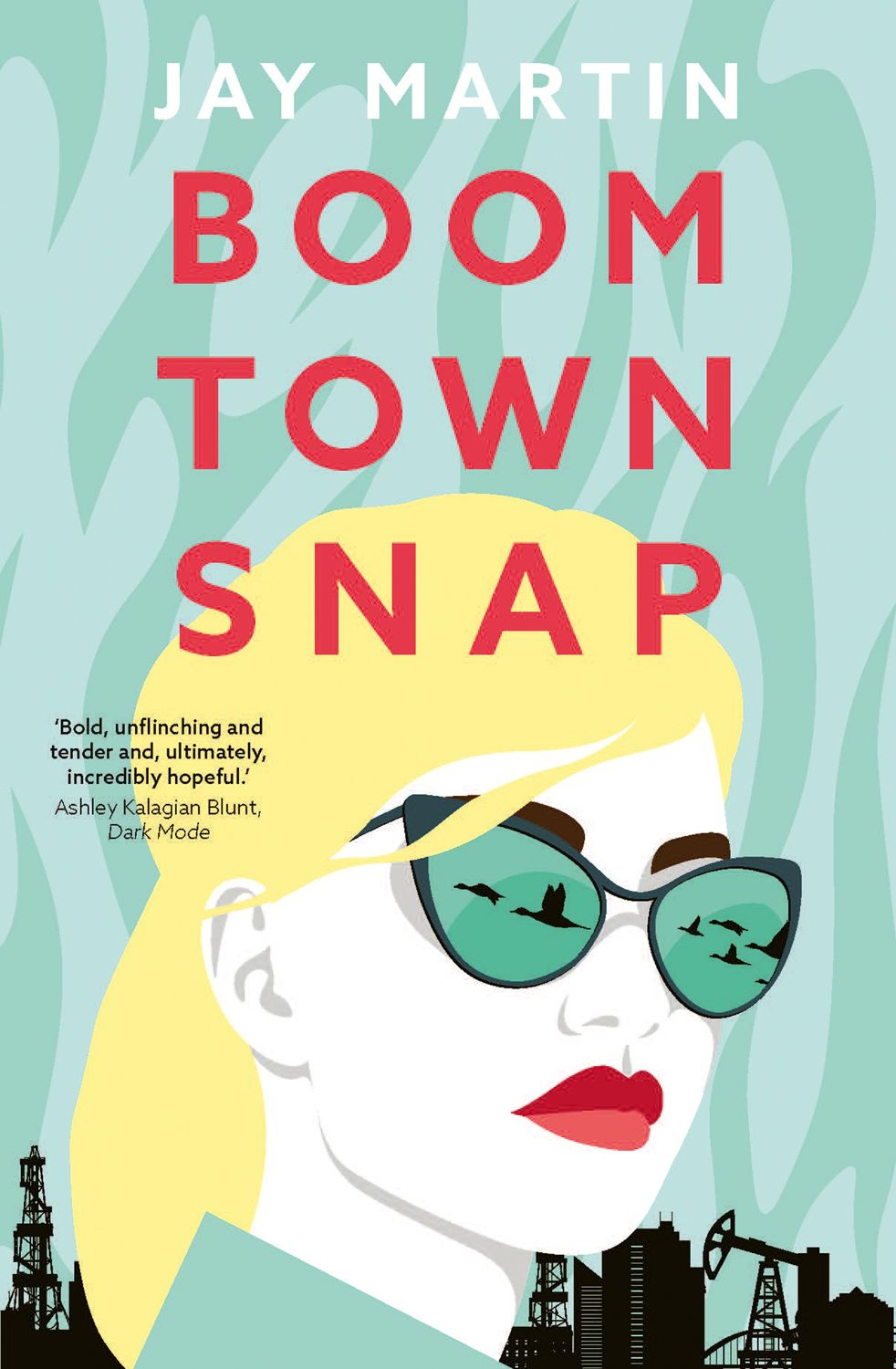
Jay Martin’s (BA Asian Std (Hons)1998) first book, Vodka and Apple Juice, won the Hungerford Award in 2015. It documented her personal experiences in Poland following a posting there for her diplomat husband. Her second book and debut novel, Boom Town Snap tells the story of Western Australian mining company consultant Georgie, who has been left emotionally shattered and drowning in debt after the end of her marriage.
At its heart it's a story about a woman struggling to succeed in a world where what's right, and what's rewarded, are not the same thing. It also engages deeply with contemporary themes including the synergies in the book's two locations, Canada and Australia, both giants of the resources industry.
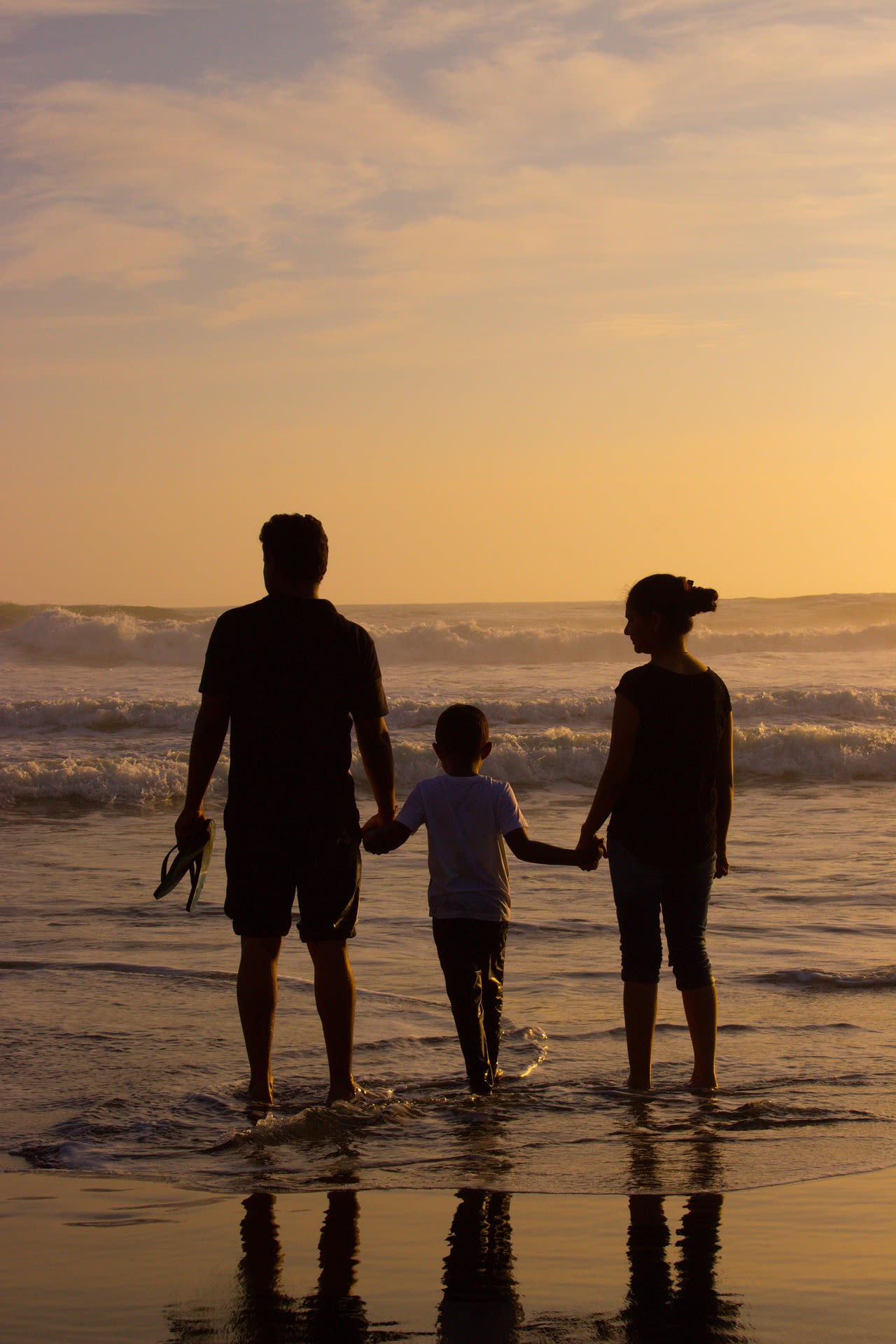
Research shows ‘it takes a village’ to address childhood
anxiety and depression
New research from Murdoch University has revealed therapies and interventions incorporating a child’s ‘village’, particularly parents and direct caregivers, help to reduce the internalisation of their symptoms.
Since the COVID-19 pandemic, levels of clinically elevated depression and anxiety symptoms in children have skyrocketed worldwide and parents are feeling increasingly helpless.
New research from Murdoch University has revealed therapies and interventions incorporating a child’s ‘village’, particularly parents and direct caregivers, help to reduce the internalisation of their symptoms.
Dr Kim Lee Kho led the study, which tested the efficacy of Behaviour Exchange and Systems Therapy - Foundations (BEST-F) in the treatment plans of children aged 3-11.
This involved a family-based approach where the parent-child relationship was a primary focus.
BEST-F was developed in Melbourne and Perth by a team of researchers including Dr Kho’s primary supervisor Professor Andrew Lewis.
Dr Kho said results of her study showed this approach had a large influence on reducing how often a child internalised symptoms of depression and anxiety.
Supervisor and co-author Dr Renita Almeida said the psychological distress experienced by both children and caregivers globally supported the need for the research.
“We know that children are embedded within many systems, and the family system is of prime importance,” Dr Almeida said.
"There is substantial evidence that caregiving and family environmental factors have an impact on the transmission of depression and anxiety – what this also means is that the family base is full of potential to enable change, and that families can have a significant role in supporting a child’s affect regulation."
A critical element of the study was the safety and trust that parental participants felt within the therapy setting – fostered by empathy, care, and understanding for their unique situations.
One parent who was quoted in the study said BEST-F therapy transformed the way they communicated with their family and the world around them, which also impacted the way their child communicated.
“I felt heard and seen by you [therapist] when we talked about what I’ve experienced in the past. I felt safe and that changed everything for me, and my family could tell the difference too.”
In turn, the participant’s child mirrored that sense of safety and felt encouraged to open up about their own feelings.
“I feel it’s safe talking about it here... now I can tell mum when I am upset if something happens at school or with dad.”
Dr Almeida said the key finding was that as improvements occurred across various parts of the family system, the changes continued to unfold into further improvements, as observed at follow-ups.
“Evaluation studies of Behaviour Exchange and Systems Therapy demonstrate that when you engage the whole family system in the therapeutic intervention, improvements are seen not only in the child’s mental health, but also in the parent’s mental health and family functioning,” she said.
Dr Kho said these results could influence the future of the treatment of childhood depression and anxiety.
“We are hoping that the results of this study motivate a larger clinical trial in the near future with the vision of potentially being offered as an intervention option in the community,” she said.

Quick Q&A
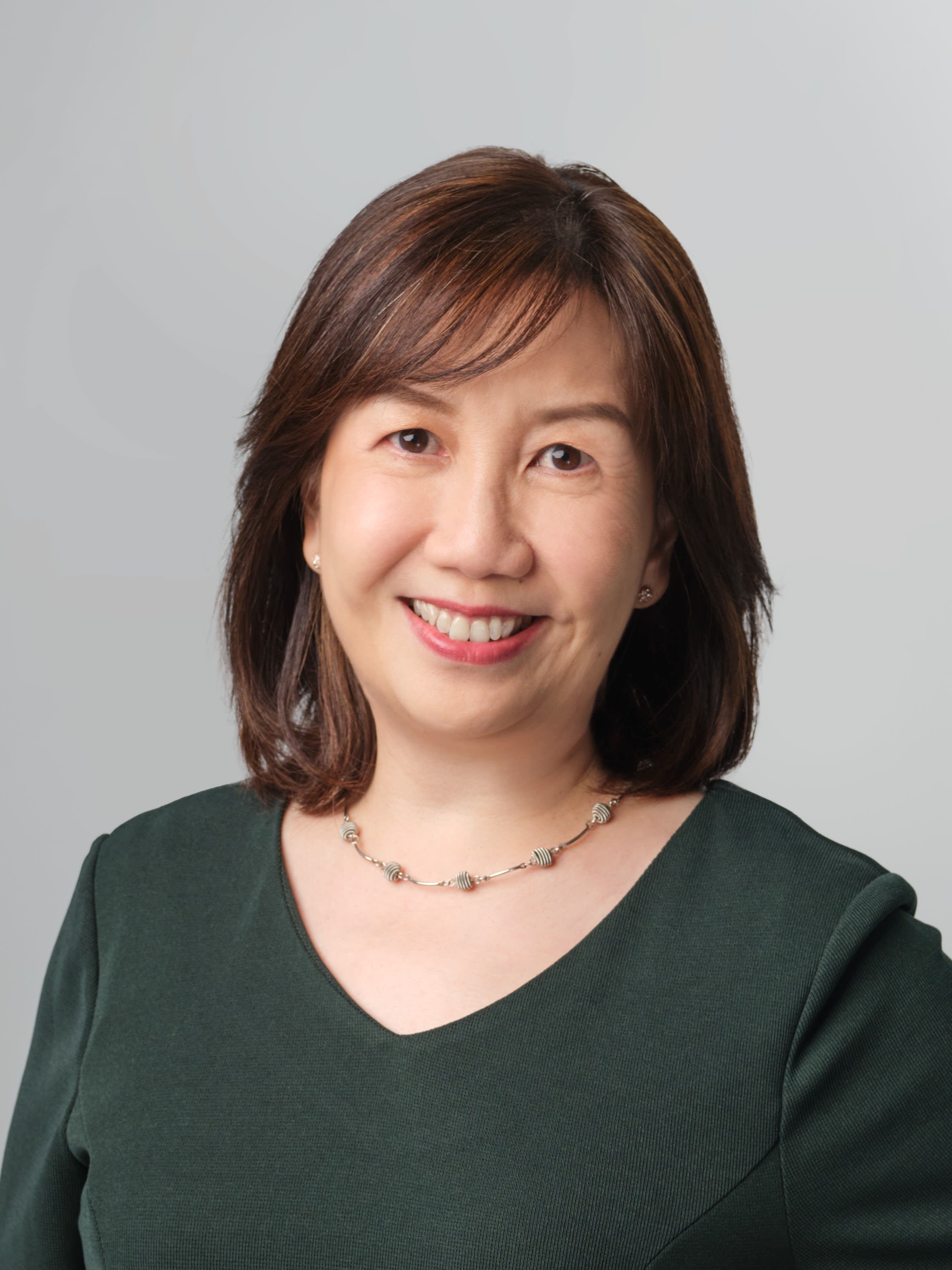
Six questions fired off at an alum. This issue the lucky recipient is Yvonne Soh who graduated from Murdoch Singapore...
What did you study at Murdoch and what do you do now?
I did my Master of Business Administration (MBA) at Murdoch and completed it at the end of 2019. I am currently the Chief Executive Officer of the Singapore Green Building Council (SGBC).
What do you think is Murdoch’s point of difference compared with other universities?
I am an engineer by training/qualification and started my career in that field. I was seeking to build my knowledge in financial management, as well as marketing strategies and communications.
The Murdoch MBA programme attracted me as it contained all the core business disciplines, complemented by electives to suit professional needs and individual interests. There was also a strong emphasis on sustainability, which was not common at that time as the financial sector in Singapore had not yet embraced it. The program was also based on coursework as the predominant mode of delivery, which met my key objective of gaining knowledge.
What motivates you at work, especially while working on your career progression over the years? Especially being in SGBC, how the role transcended over the years.
I began my career in a civil engineering design role with a professional consultancy, which gave me a strong foundation in engineering and construction. I later joined a government agency, where I was exposed to the concepts of sustainable construction and green building in the late 2000s. This exposure sparked my interest in climate action - a cause that resonated with my interest in sustainability and aligned with the problem-solving and systems-thinking approach I had developed as an engineer.
Over the past two decades or so, sustainability in the Building & Construction/Real Estate sectors has shifted from being a niche concern to a mainstream business imperative. In the early days, sustainability was often viewed in terms of cost implications, whereas today it is increasingly linked to asset value, investor expectations and risk management. Beyond energy performance, there is now growing attention on climate adaptation, circular economy principles, biodiversity, and social impact. Green financing options have also expanded significantly.
As a result, I am constantly learning new things, growing in breadth of knowledge and deepening my expertise.
What have been some of the big changes in your line of work? Especially with the uprising significance of Environmental, Social, and Governance (ESG).
ESG has broadened significantly in recent years and evolved to become more holistic in approach. We now consider ESG impact beyond direct operations to include environmental and social impact across the entire value chain. In addition to operational carbon emissions, companies are also increasingly addressing the embodied carbon of building projects and embracing green procurement and responsible sourcing practices.
ESG considerations have also expanded to include nature, biodiversity, and ecosystem considerations. Beyond carbon emissions, there is a growing awareness that environmental responsibility needs to extend to the broader ecological system.
Technology is a key enabler for ESG, and it has played a critical role in advancing progress in the ESG space. It has allowed data to be collected and analysed with greater accuracy, facilitating decision-making and driving innovation. The Singapore Green Building Council (SGBC), in partnership with the Building and Construction Authority (BCA) and Agency for Science, Technology and Research (A*STAR), recently developed a Built Environment Decarbonisation Technology Roadmap to identify key future-ready solutions and strategies to reduce whole life carbon emissions in building projects.
What is the best piece of advice you’ve received?
I had a former manager who always looked out for the team, even as he moved up the corporate ladder. He always had my back, and I always felt he was rooting for my success. I try to do the same for my team now.
Who inspires you?
Most of my inspiration comes from books (e.g. Start with Why by Simon Sinek) and podcasts (e.g. Think Fast, Talk Smart by Matt Abrahams and Harvard Business Review (HBR’s) various podcast series.

 Built with Shorthand