
Echoes
Alumni newsletter March 2026


From Graduate
to Game-Changer
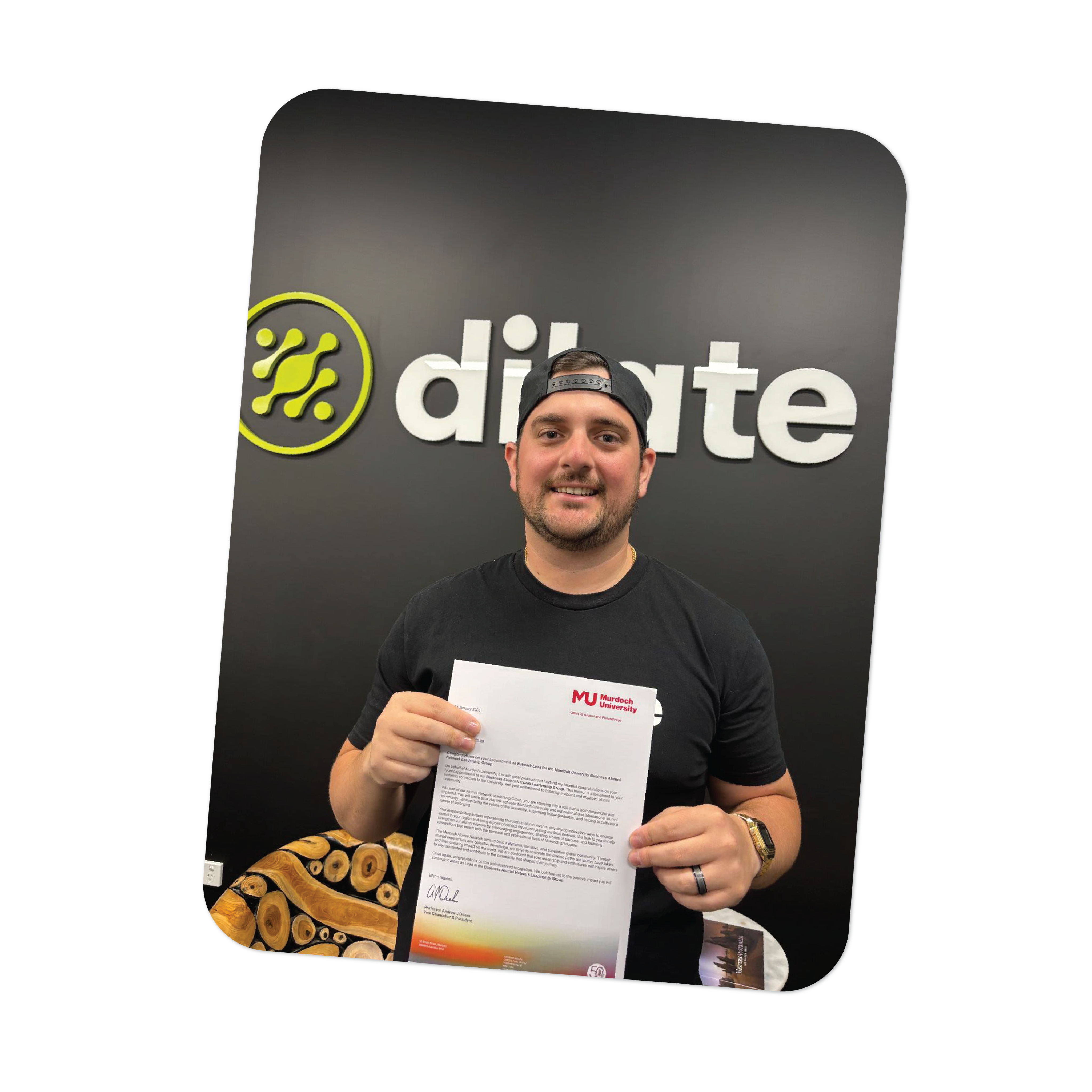
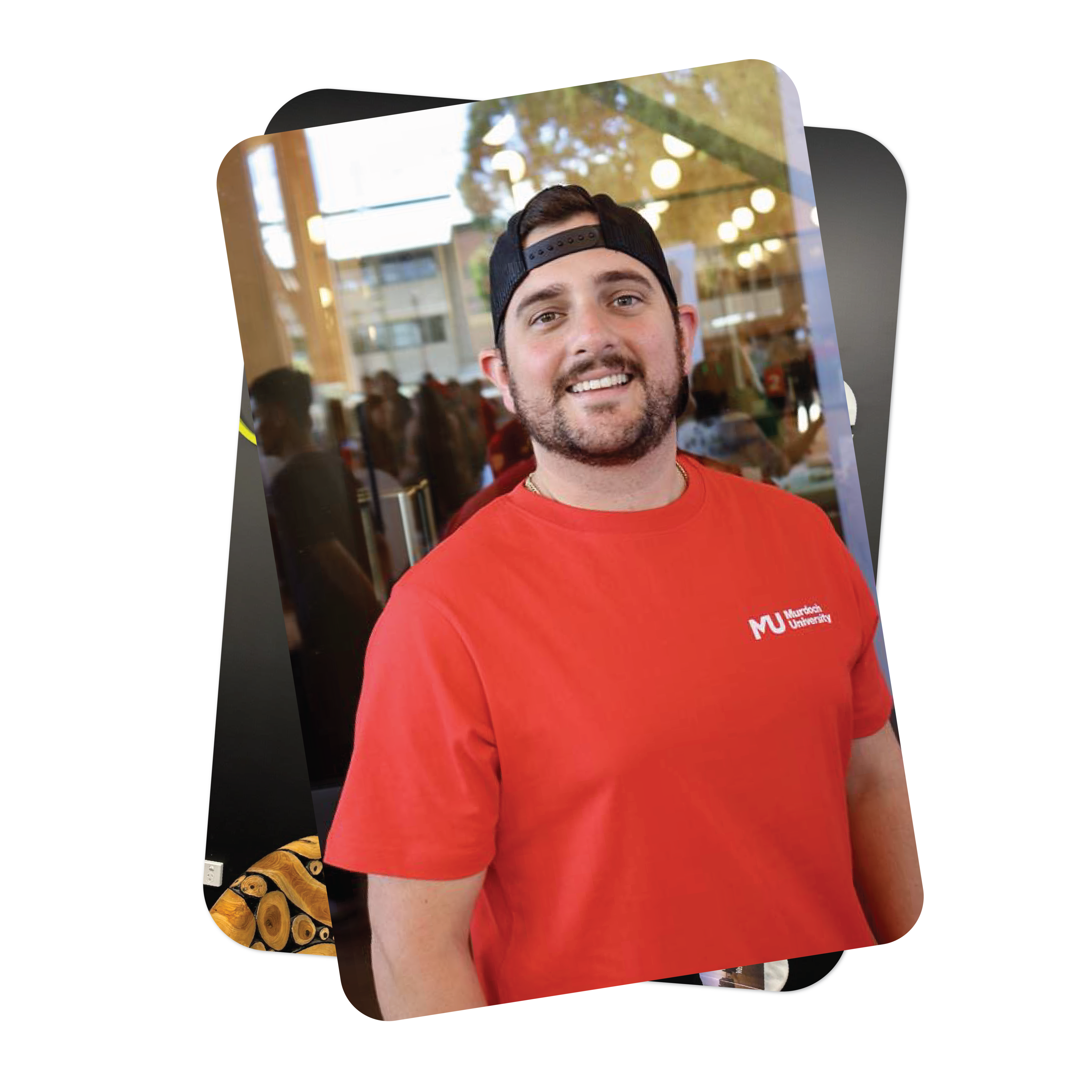
For Murdoch University alumnus Chris Paterniti, (BA. Business, 2017), the decision to study at Murdoch set in motion a journey that continues to shape his career and connection to community.
Chris admits he chose Murdoch for a purely practical reason, it was close to home. Looking back, it is a decision he credits as one of the most influential he has made.
“If I take it all the way back, choosing Murdoch was one of the best decisions I made,” Chris says. “So many good things came from that place.”
Chris immersed himself fully in university life, spending long days on campus building strong academic and professional foundations. He developed a network of connections that would prove pivotal after graduation, including a referral that led directly to his introduction to Perth-based digital agency Dilate Digital. It was also where he met his partner, with whom he now has two children.
After finishing university, the transition into the workforce was not without its challenges.
“At the time, I wasn’t in the best frame of mind,” he said. “I was applying for a lot of grad programs and not really getting what I wanted.”
That referral to Dilate Digital became a turning point. Nearly a decade later, Chris has progressed through a wide range of roles within the business, from account management and digital strategy to leadership positions including Pod Lead, Head of Paid Advertising, and now Discovery Manager. He is also a part owner of the business.

From Graduate
to Game-Changer
For Murdoch University alumnus Chris Paterniti, (BA. Business, 2017), the decision to study at Murdoch set in motion a journey that continues to shape his career and connection to community.
Chris admits he chose Murdoch for a purely practical reason, it was close to home. Looking back, it is a decision he credits as one of the most influential he has made.
“If I take it all the way back, choosing Murdoch was one of the best decisions I made,” Chris says. “So many good things came from that place.”


Chris immersed himself fully in university life, spending long days on campus building strong academic and professional foundations. He developed a network of connections that would prove pivotal after graduation, including a referral that led directly to his introduction to Perth-based digital agency Dilate Digital. It was also where he met his partner, with whom he now has two children.
After finishing university, the transition into the workforce was not without its challenges.
“At the time, I wasn’t in the best frame of mind,” he said. “I was applying for a lot of grad programs and not really getting what I wanted.”
That referral to Dilate Digital became a turning point. Nearly a decade later, Chris has progressed through a wide range of roles within the business, from account management and digital strategy to leadership positions including Pod Lead, Head of Paid Advertising, and now Discovery Manager. He is also a part owner of the business.
“Since leaving Murdoch, the journey I’ve had has just been amazing,” he said. “I’ve done so many different roles, I’m learning new things all the time, and I feel really secure long term, which is a pretty big thing to say at my age.”
In his current role as Discovery Manager, Chris is often the first point of contact for businesses seeking digital marketing support. His focus is not simply growth, but ensuring the right fit for both clients and the team.
“My job is protecting the client and protecting the staff,” he explains. “We don’t work with everyone. I say no to more people than I say yes to, and that’s really about values alignment. Everyone deserves a good experience, even if we’re not the right fit.”
As his career progressed, Chris found himself reflecting on the role Murdoch played in shaping his path. From professional opportunities to long term stability, he began to see the importance of staying connected and giving back.
“When I look back, all these good things came from Murdoch,” he said. “That makes me want to help. If people have even half the journey I’ve had post Murdoch, they’re going to have a good time.”
That motivation led Chris to become deeply involved in the Murdoch Business Alumni Network. What began as a way to stay connected has grown into a leadership role, and he now serves as President of the Network.
“I feel like we’re starting to make an impact,” he said. “The Entrepreneur Workshop Series, brings relevant people together, creating space for honest conversations about business and the struggles - that’s where the real value is.”
Chris believes universities have a unique opportunity to bring their alumni communities together in more meaningful ways.
“There’s such a huge network there,” he said. “Bringing people together, celebrating what we’ve achieved, and helping the next group coming through, that’s incredibly powerful.”
For alumni navigating risk or uncertainty, Chris offers grounded advice shaped by experience.
“Knowledge is power,” he said. “Invest in what you know. Talk to people who’ve done what you want to do. Back your decisions with learning, and be honest when something isn’t working.”
For Chris, the Murdoch journey does not end at graduation. It continues through connection, leadership, and a commitment to helping others move forward.


Stay connected through the
Murdoch Business Alumni Network
The Murdoch Business Alumni Network brings together graduates across industries to connect, learn, and share real world insights.
If you are interested in joining the network or would like more information, please contact s.osborne@murdoch.edu.au
“Since leaving Murdoch, the journey I’ve had has just been amazing,” he said. “I’ve done so many different roles, I’m learning new things all the time, and I feel really secure long term, which is a pretty big thing to say at my age.”
In his current role as Discovery Manager, Chris is often the first point of contact for businesses seeking digital marketing support. His focus is not simply growth, but ensuring the right fit for both clients and the team.
“My job is protecting the client and protecting the staff,” he explains. “We don’t work with everyone. I say no to more people than I say yes to, and that’s really about values alignment. Everyone deserves a good experience, even if we’re not the right fit.”
As his career progressed, Chris found himself reflecting on the role Murdoch played in shaping his path. From professional opportunities to long term stability, he began to see the importance of staying connected and giving back.
“When I look back, all these good things came from Murdoch,” he said. “That makes me want to help. If people have even half the journey I’ve had post Murdoch, they’re going to have a good time.”
That motivation led Chris to become deeply involved in the Murdoch Business Alumni Network. What began as a way to stay connected has grown into a leadership role, and he now serves as President of the Network.
“I feel like we’re starting to make an impact,” he said. “The Entrepreneur Workshop Series, brings relevant people together, creating space for honest conversations about business and the struggles - that’s where the real value is.”
Chris believes universities have a unique opportunity to bring their alumni communities together in more meaningful ways.
“There’s such a huge network there,” he said. “Bringing people together, celebrating what we’ve achieved, and helping the next group coming through, that’s incredibly powerful.”
For alumni navigating risk or uncertainty, Chris offers grounded advice shaped by experience.
“Knowledge is power,” he said. “Invest in what you know. Talk to people who’ve done what you want to do. Back your decisions with learning, and be honest when something isn’t working.”
For Chris, the Murdoch journey does not end at graduation. It continues through connection, leadership, and a commitment to helping others move forward.
Stay connected through the
Murdoch Business Alumni Network
The Murdoch Business Alumni Network brings together graduates across industries to connect, learn, and share real world insights.
If you are interested in joining the network or would like more information, please contact s.osborne@murdoch.edu.au
New Grad Dip in
Migration Law
Looking for a career switch? Seeking to enhance your legal skill set? Murdoch University’s Graduate Diploma in Australian Migration Law and Practice (GDAMLP) will be recommencing in June 2026.
GDAMLP is a 12-month face to face or online course accredited by the Office of the Migration Agents Registration Authority (MARA) as the prescribed entry-level qualification leading to registration as a migration agent.
The course exposes students to real-life migration problems and aims to improve their practical, problem-solving and interpersonal skills, enabling them to deliver high quality advice and assistance as a migration professional.
Part-time intake will
be starting June 2026.
(with full-time available from January 2027.)
After completing the degree and passing the external Capstone exam as required by the OMARA, graduates of the program will be eligible to register as an Australian migration agent and commonly pursue careers in migration agencies, specialist law firms, state and federal governments, non-government organisations and private sector firms providing immigration assistance.
In terms of entry requirements, this course is primarily designed for those who want to become a migration agent and do not have a legal background, but it is also suitable for legal practitioners and current migration agents who wish to improve their knowledge and practice in this challenging and important area of law. For more information please contact Mary Anne Kenny.



New Grad Dip in
Migration Law
Looking for a career switch? Seeking to enhance your legal skill set? Murdoch University’s Graduate Diploma in Australian Migration Law and Practice (GDAMLP) will be recommencing in June 2026.
GDAMLP is a 12-month face to face or online course accredited by the Office of the Migration Agents Registration Authority (MARA) as the prescribed entry-level qualification leading to registration as a migration agent.
The course exposes students to real-life migration problems and aims to improve their practical, problem-solving and interpersonal skills, enabling them to deliver high quality advice and assistance as a migration professional.
Part-time intake will
be starting June 2026.
(with full-time available from January 2027.)
After completing the degree and passing the external Capstone exam as required by the OMARA, graduates of the program will be eligible to register as an Australian migration agent and commonly pursue careers in migration agencies, specialist law firms, state and federal governments, non-government organisations and private sector firms providing immigration assistance.
In terms of entry requirements, this course is primarily designed for those who want to become a migration agent and do not have a legal background, but it is also suitable for legal practitioners and current migration agents who wish to improve their knowledge and practice in this challenging and important area of law. For more information please contact Mary Anne Kenny.
A Mobile Wildlife Hospital and a National Mission:
Dr Stephen Van Mil’s Return to Purpose
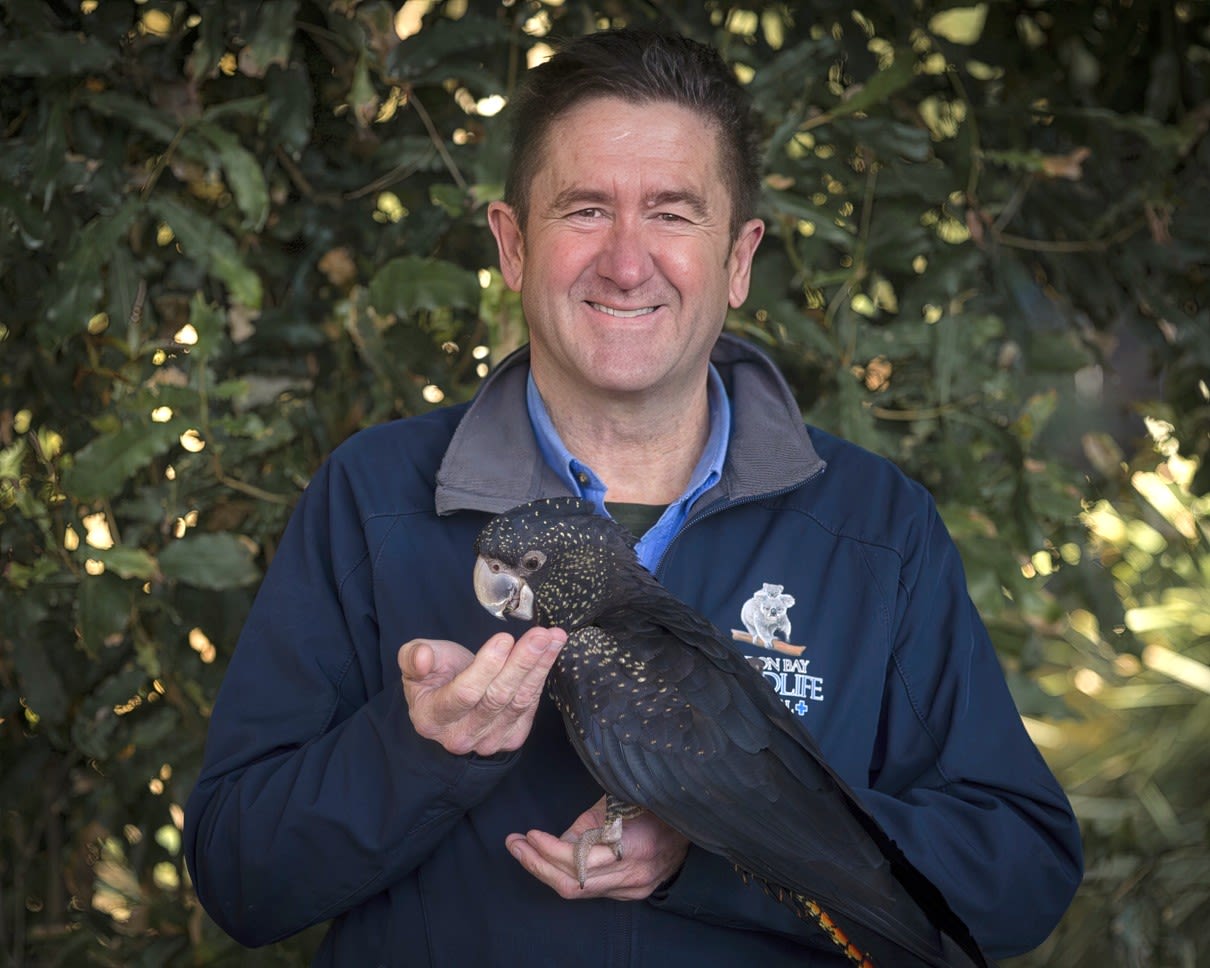
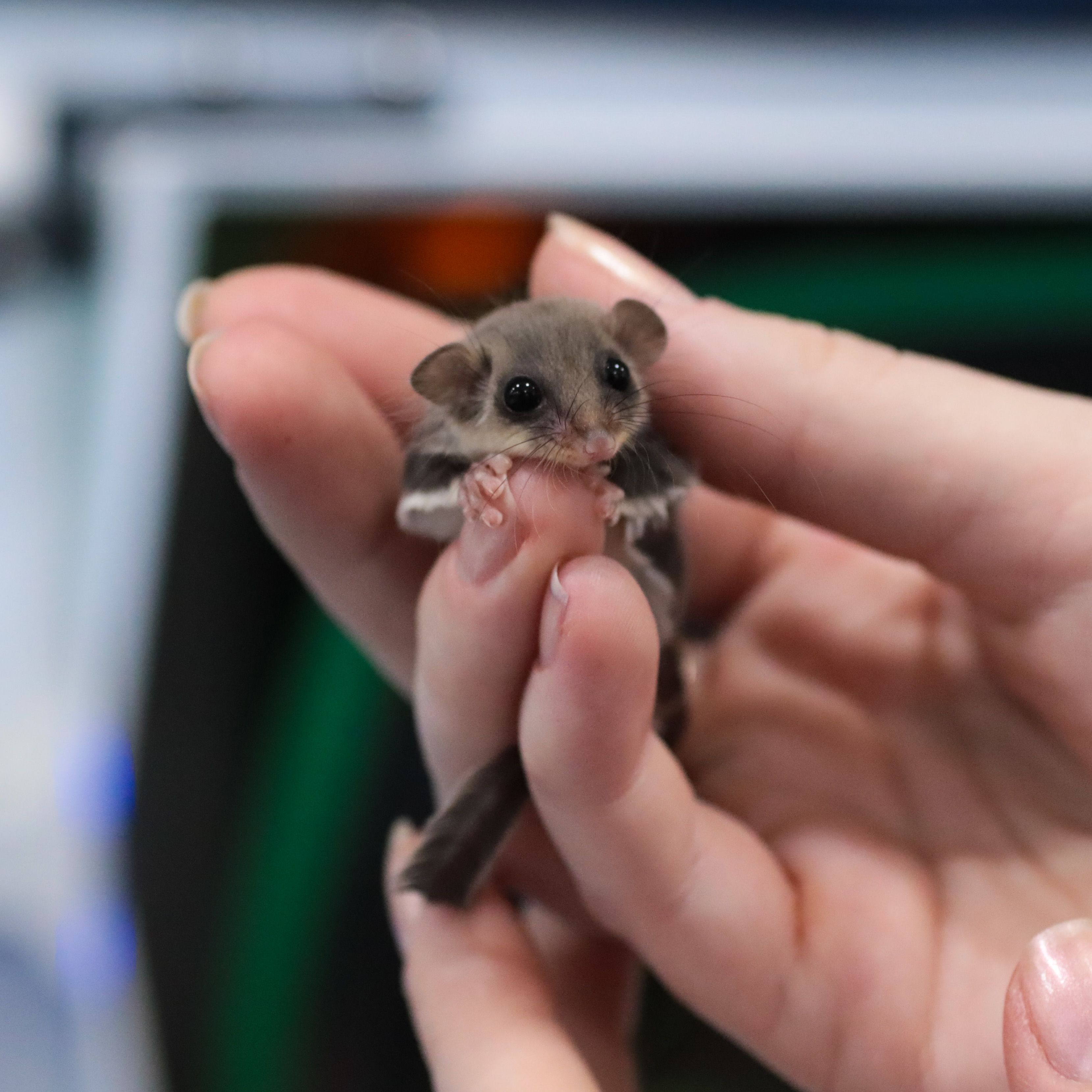
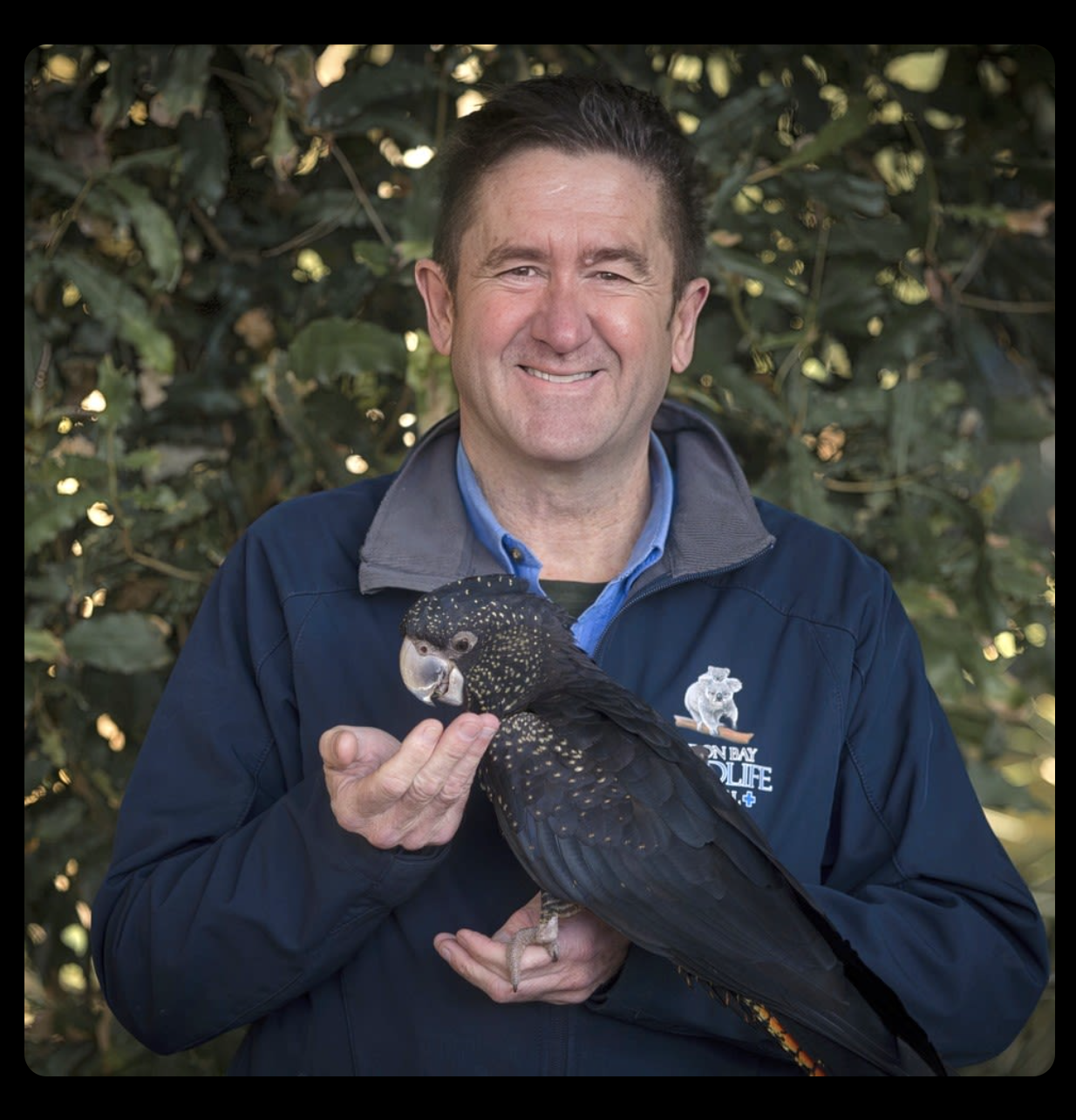
Dr Stephen Van Mil (BVMS 1984) has built a career that refuses to stay neatly in one box. He began in general veterinary practice, moved into media and public storytelling, spent a decade travelling internationally to film wildlife documentaries and lead eco-tours, and then returned to Australia with a renewed conviction that local wildlife care needed more than goodwill and best intentions.
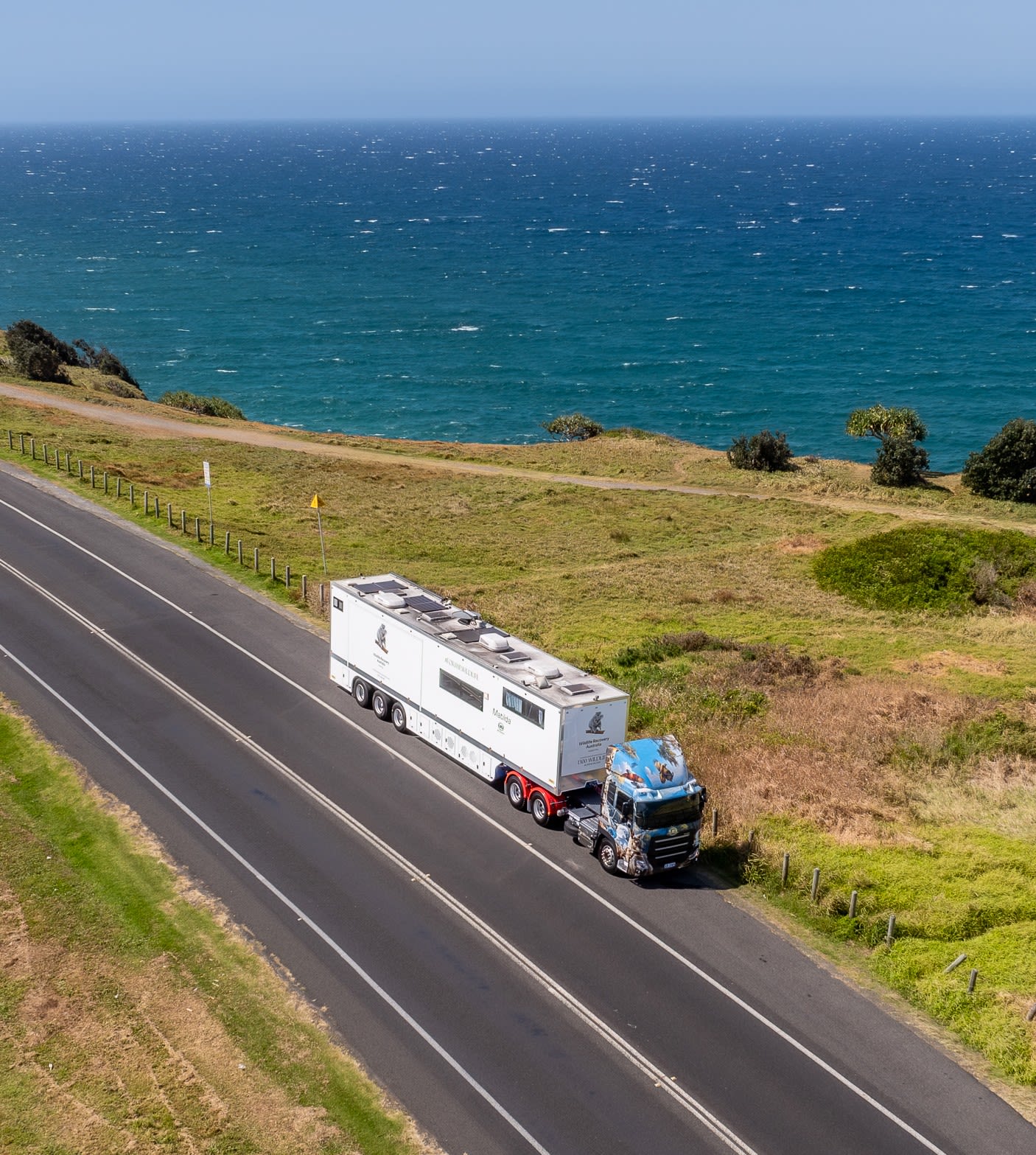
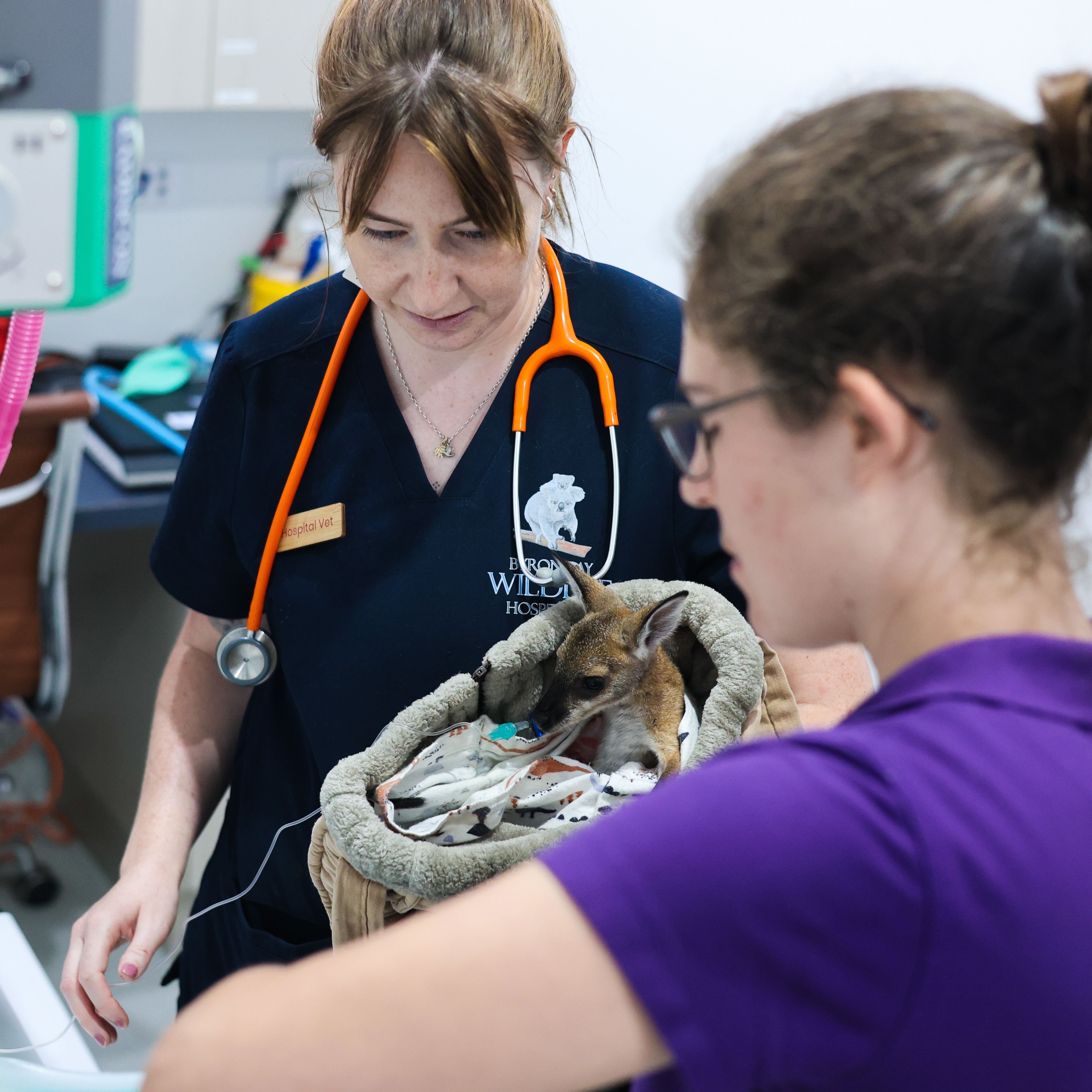
That decision is now reflected in an initiative that is as practical as it is ambitious: a fully equipped, gold-standard mobile wildlife hospital that can be deployed wherever need is greatest. For Stephen, it is not simply a clever concept. It is a response to what he sees as a structural gap, where responsibility for wildlife care is spread across volunteers, carers and clinicians, while the formal systems that should support the work remain insufficient.
The commitment began early. Stephen traces his path back to a childhood certainty, long before he understood what veterinary science would demand. “I told my parents when I was five that I was going to be a vet when I grew up,” he said. “There was nothing veterinary or medical in the family at all. But I just loved animals so much, and I just decided that’s what I was going to do.”
As a teenager, he fell in love with wildlife in a way that expanded his ambitions beyond domestic animals. A trip to Africa left a deep impression, and for a time he explored studying veterinary science in South Africa. The idea did not translate into a practical option, but the fascination stayed. When it came time to apply to university in Australia, Murdoch’s veterinary program became the clear destination. “Thankfully, some bright spark came up with the idea of building a university called Murdoch and creating a vet school,” he said.
If there is a theme that runs through Stephen’s professional life, it is his willingness to move toward opportunity, even when the path is uncertain. He described his career as shaped by momentum, curiosity and well-timed choices. “I’ve often described my life as a series of good accidents,” he said. When an opening appeared, he preferred action over comfort. “You’ve got a choice. You can either take a punt or stay in a safe zone.” For Stephen, the safe zone was never the goal.
“I don’t mind taking a risk. If something looks interesting and feels right, I’ll just go for it and have a crack.” This appetite for risk is not presented as bravado. It is a practical philosophy that has allowed diverse experiences to accumulate and later converge: clinical skills, communication, public engagement, logistics, leadership and the confidence to build something from the ground up.
The seeds of Byron Bay Wildlife Hospital were planted in the daily realities of general practice, where wildlife arrived constantly, but rarely with a system designed to meet their needs. Stephen recalled seeing a disproportionate amount of wildlife pretty much every day. The issue was not that vets did not care. The issue was that wildlife work often had to compete with the operational demands of a clinic. Over time, the question became unavoidable: what would it look like if wildlife care had a dedicated, properly resourced service?
The first step was straightforward. “How about we create a dedicated wildlife hospital for the region?” Stephen recalled.
The mobile model emerged from urgency and constraints rather than a desire to be novel.
“It was just an accident to land on this mobile thing. It was only because we wanted to get something that we could build quite quickly at a contained cost and not have to worry about buying land or dealing with builders,” he said.
The advantages became clearer once the hospital existed in real form: rapid deployment, independence from a single site, and the ability to bring high-quality clinical capability to areas that could not sustain permanent infrastructure.
Stephen describes it as a comprehensive facility, not a compromise. “We realised this could be used anywhere in the world. A genuine mobile veterinary hospital with absolutely everything that a gold-standard bricks-and-mortar veterinary hospital has.”
That practical solution now supports a broader advocacy agenda. Stephen was outspoken about what he saw as an unresolved contradiction in wildlife care policy. In New South Wales, he explained, injured wildlife triggered legal responsibilities for both the public and veterinary professionals. “Wildlife are the property of the Crown,” he said, “but they take no responsibility for it.” He pointed to the impact on clinics, carers and rescue networks. “When it gets to a vet, that vet is legally obliged to treat the animal,” he said, “but nowhere in that legislation is there any remuneration or compensation for that work. None.”
This is the context for his upcoming national tour, launching on World Wildlife Day. The tour, Stephen said, was intended to do more than share a message. It was designed to create alignment: with communities, with partner organisations already doing the work, and with decision-makers who have the power to translate responsibility into funding and infrastructure. For Stephen, the aim was both urgent and achievable - a shift from reliance on individual sacrifice to a sustainable national approach.



A Mobile Wildlife Hospital and a National Mission:
Dr Stephen Van Mil’s Return to Purpose
Dr Stephen Van Mil (BVMS 1984) has built a career that refuses to stay neatly in one box. He began in general veterinary practice, moved into media and public storytelling, spent a decade travelling internationally to film wildlife documentaries and lead eco-tours, and then returned to Australia with a renewed conviction that local wildlife care needed more than goodwill and best intentions.
That decision is now reflected in an initiative that is as practical as it is ambitious: a fully equipped, gold-standard mobile wildlife hospital that can be deployed wherever need is greatest. For Stephen, it is not simply a clever concept. It is a response to what he sees as a structural gap, where responsibility for wildlife care is spread across volunteers, carers and clinicians, while the formal systems that should support the work remain insufficient.
The commitment began early. Stephen traces his path back to a childhood certainty, long before he understood what veterinary science would demand. “I told my parents when I was five that I was going to be a vet when I grew up,” he said. “There was nothing veterinary or medical in the family at all. But I just loved animals so much, and I just decided that’s what I was going to do.”
As a teenager, he fell in love with wildlife in a way that expanded his ambitions beyond domestic animals. A trip to Africa left a deep impression, and for a time he explored studying veterinary science in South Africa. The idea did not translate into a practical option, but the fascination stayed. When it came time to apply to university in Australia, Murdoch’s veterinary program became the clear destination. “Thankfully, some bright spark came up with the idea of building a university called Murdoch and creating a vet school,” he said.
If there is a theme that runs through Stephen’s professional life, it is his willingness to move toward opportunity, even when the path is uncertain. He described his career as shaped by momentum, curiosity and well-timed choices. “I’ve often described my life as a series of good accidents,” he said. When an opening appeared, he preferred action over comfort. “You’ve got a choice. You can either take a punt or stay in a safe zone.” For Stephen, the safe zone was never the goal.
“I don’t mind taking a risk. If something looks interesting and feels right, I’ll just go for it and have a crack.” This appetite for risk is not presented as bravado. It is a practical philosophy that has allowed diverse experiences to accumulate and later converge: clinical skills, communication, public engagement, logistics, leadership and the confidence to build something from the ground up.
The seeds of Byron Bay Wildlife Hospital were planted in the daily realities of general practice, where wildlife arrived constantly, but rarely with a system designed to meet their needs. Stephen recalled seeing a disproportionate amount of wildlife pretty much every day. The issue was not that vets did not care. The issue was that wildlife work often had to compete with the operational demands of a clinic. Over time, the question became unavoidable: what would it look like if wildlife care had a dedicated, properly resourced service?
The first step was straightforward. “How about we create a dedicated wildlife hospital for the region?” Stephen recalled.
The mobile model emerged from urgency and constraints rather than a desire to be novel.
“It was just an accident to land on this mobile thing. It was only because we wanted to get something that we could build quite quickly at a contained cost and not have to worry about buying land or dealing with builders,” he said.
The advantages became clearer once the hospital existed in real form: rapid deployment, independence from a single site, and the ability to bring high-quality clinical capability to areas that could not sustain permanent infrastructure.
Stephen describes it as a comprehensive facility, not a compromise. “We realised this could be used anywhere in the world. A genuine mobile veterinary hospital with absolutely everything that a gold-standard bricks-and-mortar veterinary hospital has.”
That practical solution now supports a broader advocacy agenda. Stephen was outspoken about what he saw as an unresolved contradiction in wildlife care policy. In New South Wales, he explained, injured wildlife triggered legal responsibilities for both the public and veterinary professionals. “Wildlife are the property of the Crown,” he said, “but they take no responsibility for it.” He pointed to the impact on clinics, carers and rescue networks. “When it gets to a vet, that vet is legally obliged to treat the animal,” he said, “but nowhere in that legislation is there any remuneration or compensation for that work. None.”
This is the context for his upcoming national tour, launching on World Wildlife Day. The tour, Stephen said, was intended to do more than share a message. It was designed to create alignment: with communities, with partner organisations already doing the work, and with decision-makers who have the power to translate responsibility into funding and infrastructure. For Stephen, the aim was both urgent and achievable - a shift from reliance on individual sacrifice to a sustainable national approach.

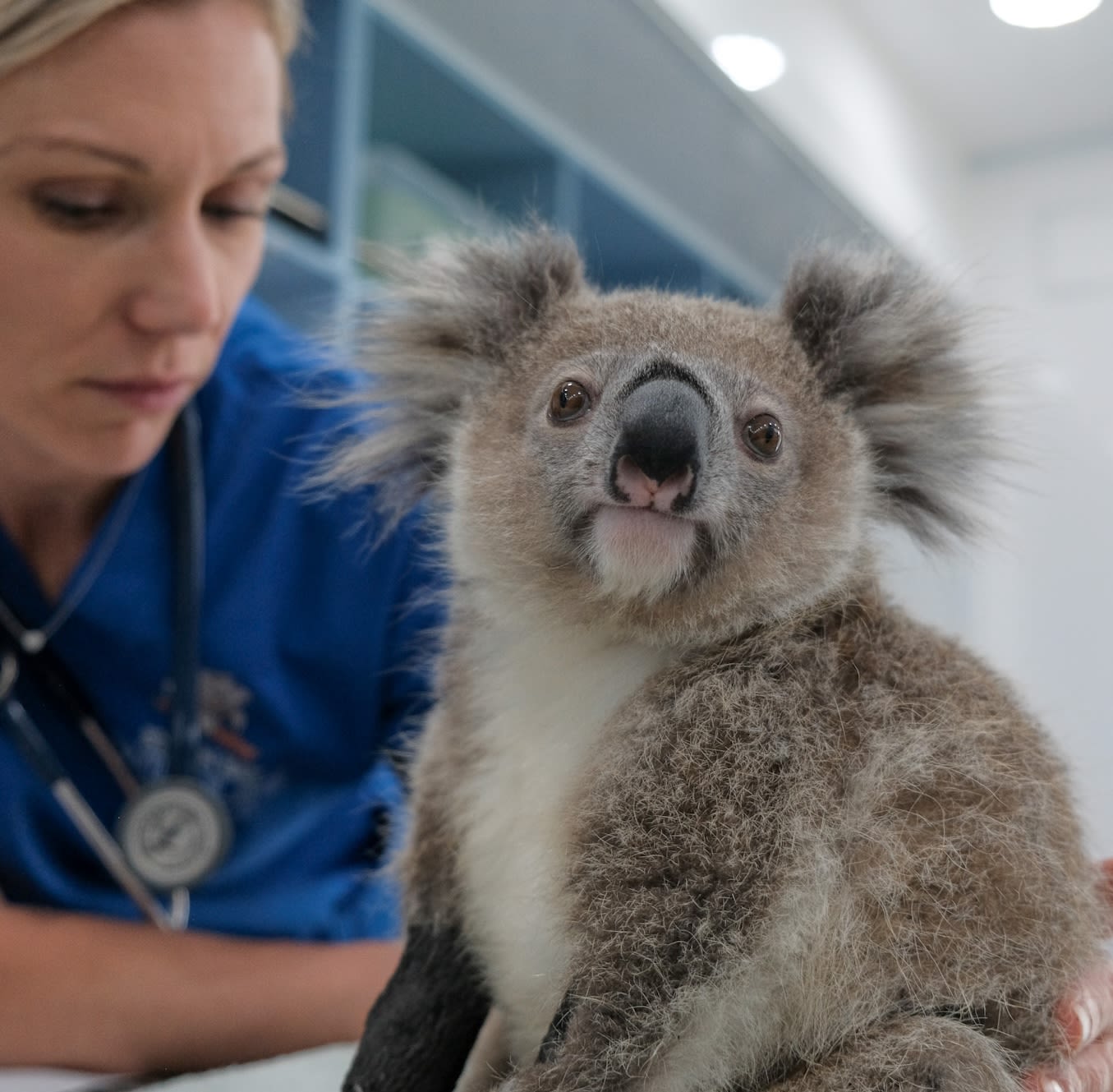

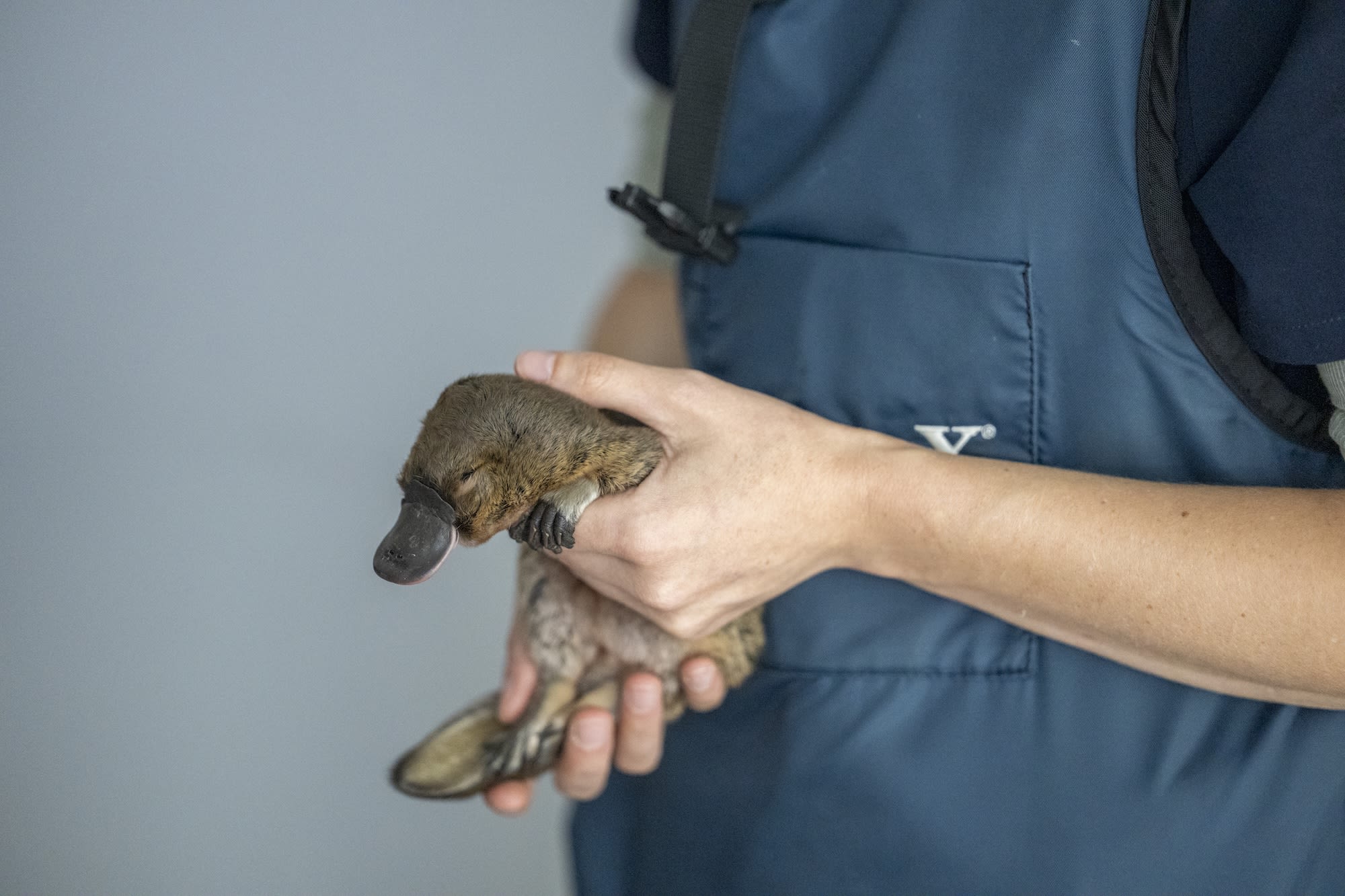
Alongside policy change, he remains focused on what individuals can do in the meantime. Volunteer work and fundraising are central, but so are everyday behaviours that reduce harm. “Volunteering’s a huge way to give back,” he said, and he pointed to schools and community groups that ran simple initiatives such as 'gold coin days.' He also emphasises practical protective choices, including driving with care in wildlife-active areas, keeping cats indoors, and keeping dogs on leads in sensitive habitats.
For students and alumni watching his trajectory, Stephen offers advice that is both steady and compassionate. “Find your passion and stick to it,” he said, before adding a crucial nuance for those who felt uncertain. “If you find it’s not for you, don’t give up, use the skills that you’ve acquired to pivot. And find something that you do love.”
He was also candid about motivation. “I’ve never, ever, ever been driven by money,” Stephen said. “I’ve always just done what I’ve felt is right and what I want to do.”
In a moment when Australia’s wildlife faces escalating pressures, Stephen’s work sits at the intersection of care, capability and accountability. The mobile hospital is a tangible, operating solution. The national tour is an invitation to broaden responsibility. The message linking both is clear: wildlife care should not depend on luck, charity or overstretched goodwill. It should be treated as essential, funded, and built to last.



50 scholarships in
celebration of 50 years
Two years ago, we launched a philanthropic initiative titled ‘50 scholarships for 50 years’ to expand access to university education for students from rural and remote communities. Our goal was to raise $250,000 to support 50 individual scholarships.
Thanks to your extraordinary generosity we are pleased to announce that we exceeded our goal, raising more than $250,000 and have secured funding for all 50 scholarships. This milestone celebrates creating life-changing opportunities for regional and remote students in Western Australia. Your support has made a tangible difference — the impact of these scholarships will be felt for many years to come, transforming lives, communities, and opportunities.
50 scholarships
in celebration of 50 years
Two years ago, we launched a philanthropic initiative titled ‘50 scholarships for 50 years’ to expand access to university education for students from rural and remote communities. Our goal was to raise $250,000 to support 50 individual scholarships.
Thanks to your extraordinary generosity we are pleased to announce that we exceeded our goal, raising more than $250,000 and have secured funding for all 50 scholarships. This milestone celebrates creating life-changing opportunities for regional and remote students in Western Australia. Your support has made a tangible difference — the impact of these scholarships will be felt for many years to come, transforming lives, communities, and opportunities.
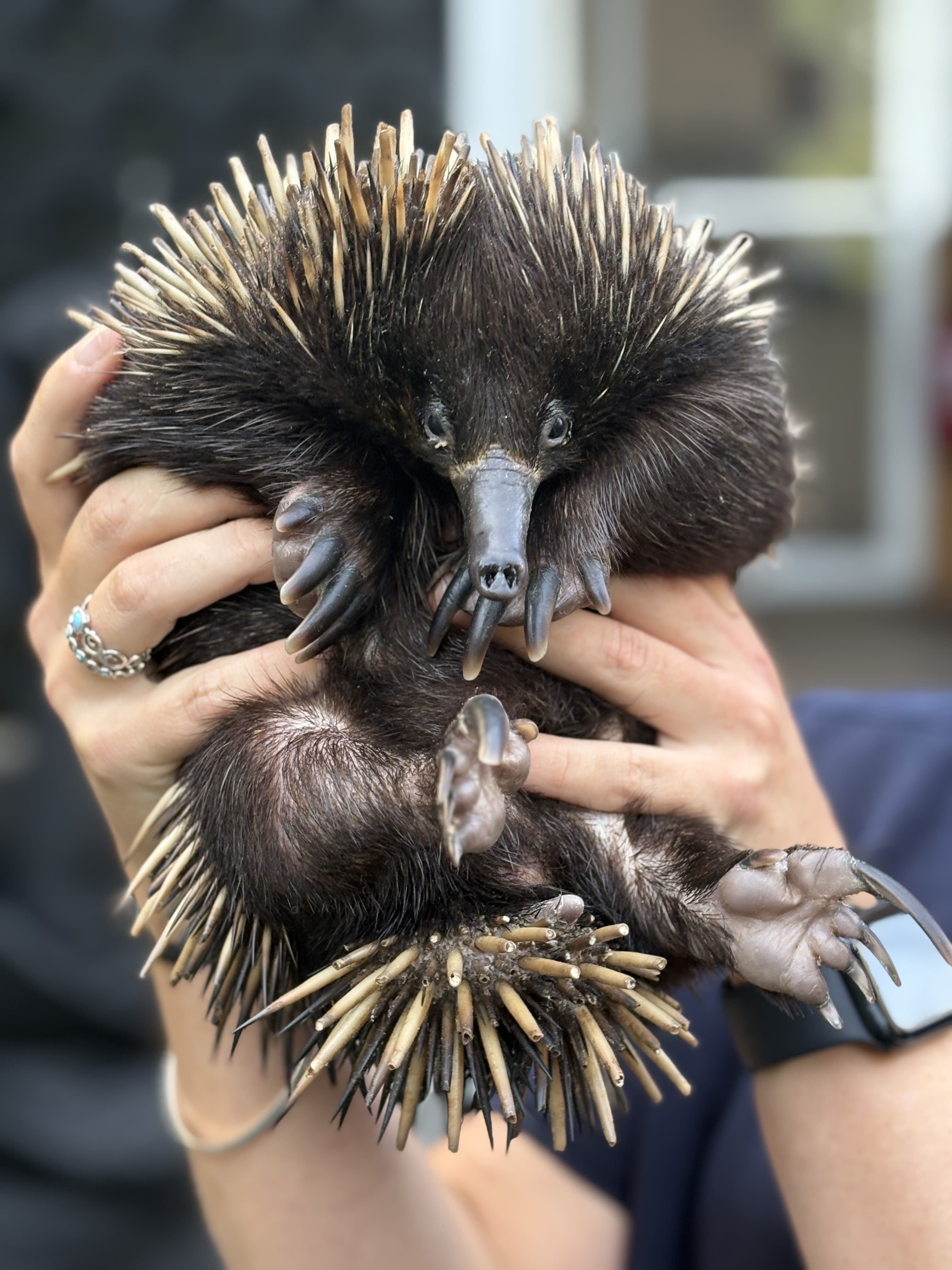
Kaylee
For First Nations student Kaylee, who is studying a Bachelor of Conservation & Wildlife Biology, the 50-Year scholarship made an enormous difference:
"I love exploring the why’s and how’s behind the natural world. Growing up in a supportive environment, alongside a deep connection to my Indigenous heritage, inspired my love of conservation. This scholarship helped me move from Yanchep onto campus. Your support has made me feel seen and encouraged." - Kaylee Jesnoewski

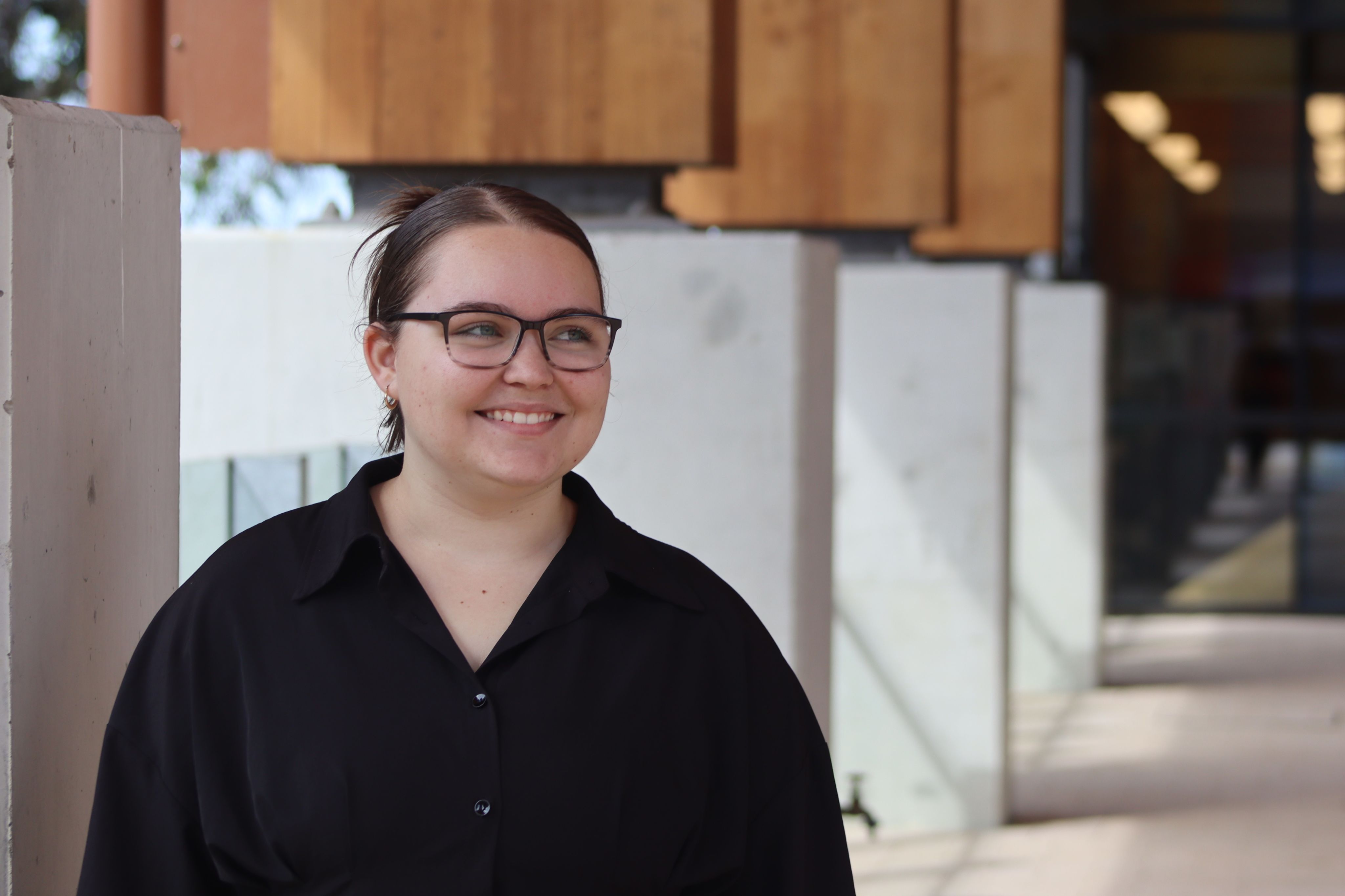
Jessica
For rural student Jessica Bredenkamp, who is completing a Bachelor of Law/B Crimonology, this scholarship has been transformational for her education and future.
This scholarship has given me more than financial support - it's given me freedom. Freedom to focus on my studies without constant financial pressure. Freedom to take part in campus life, join clubs, and connect with my fellow students. And most importantly, freedom to dream bigger than I ever thought possible. - Jessica Bredenkamp

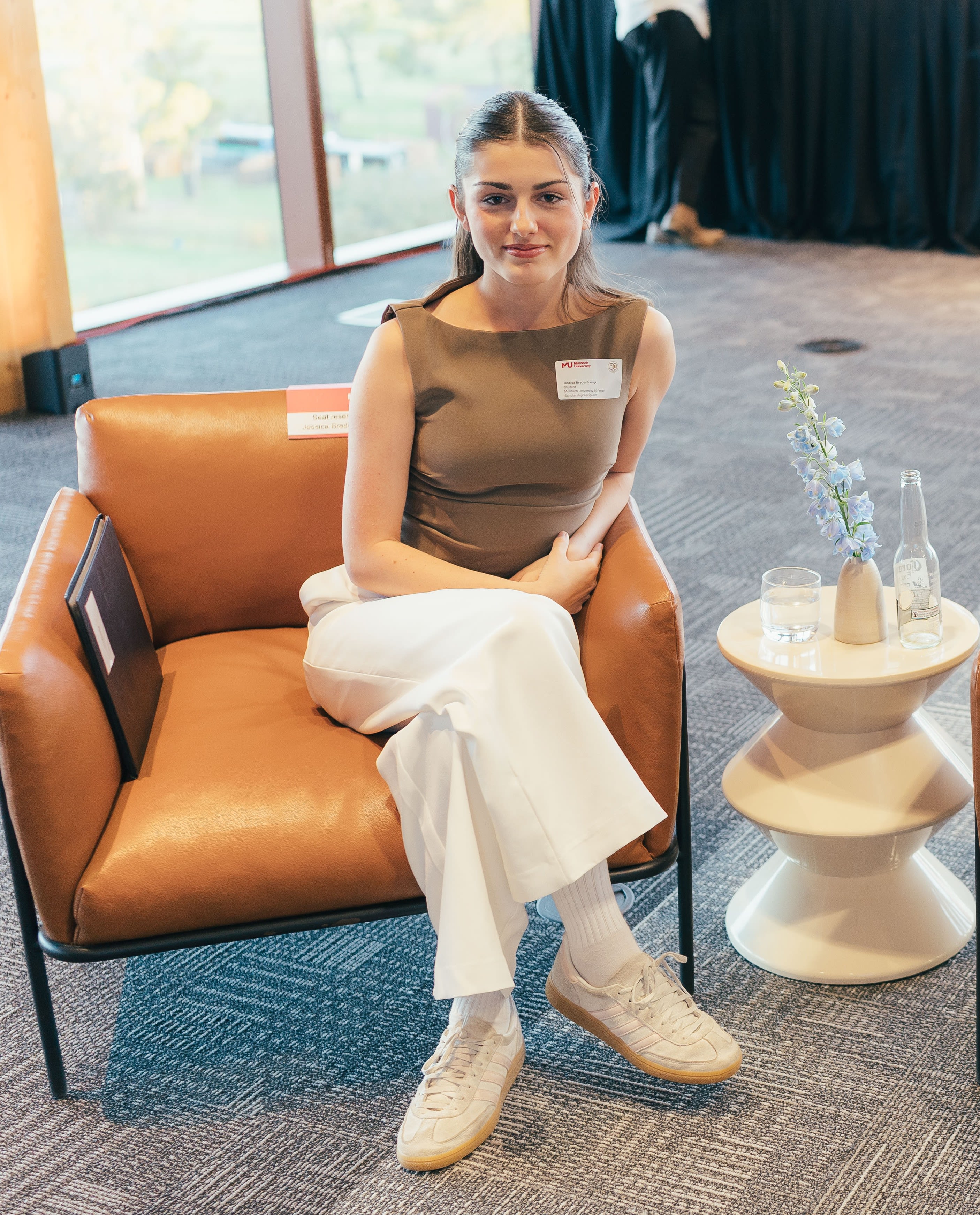
We are now finalising plans for a new scholarship program, designed to continue Murdoch’s legacy of supporting students who care and make a difference in their communities. You can continue to help carry this legacy forward by contributing to the new scholarship once details are announced.
Chérie Wong-Stewart
Murdoch Singapore alumna Chérie Wong-Stewart has never followed a conventional career path. From hospitality and yoga teaching to aviation and advertising, each chapter has been driven by curiosity and opportunity. Today she’s working in the fast-growing global esports industry, helping connect brands, creators and gaming communities across Asia.


You have had such a broad career! Hospitality, Yoga teacher, flight attendant, dive master, advertising executive etc.
How did you break into the
e-sports world?
My path into esports wasn’t something I had planned early on.
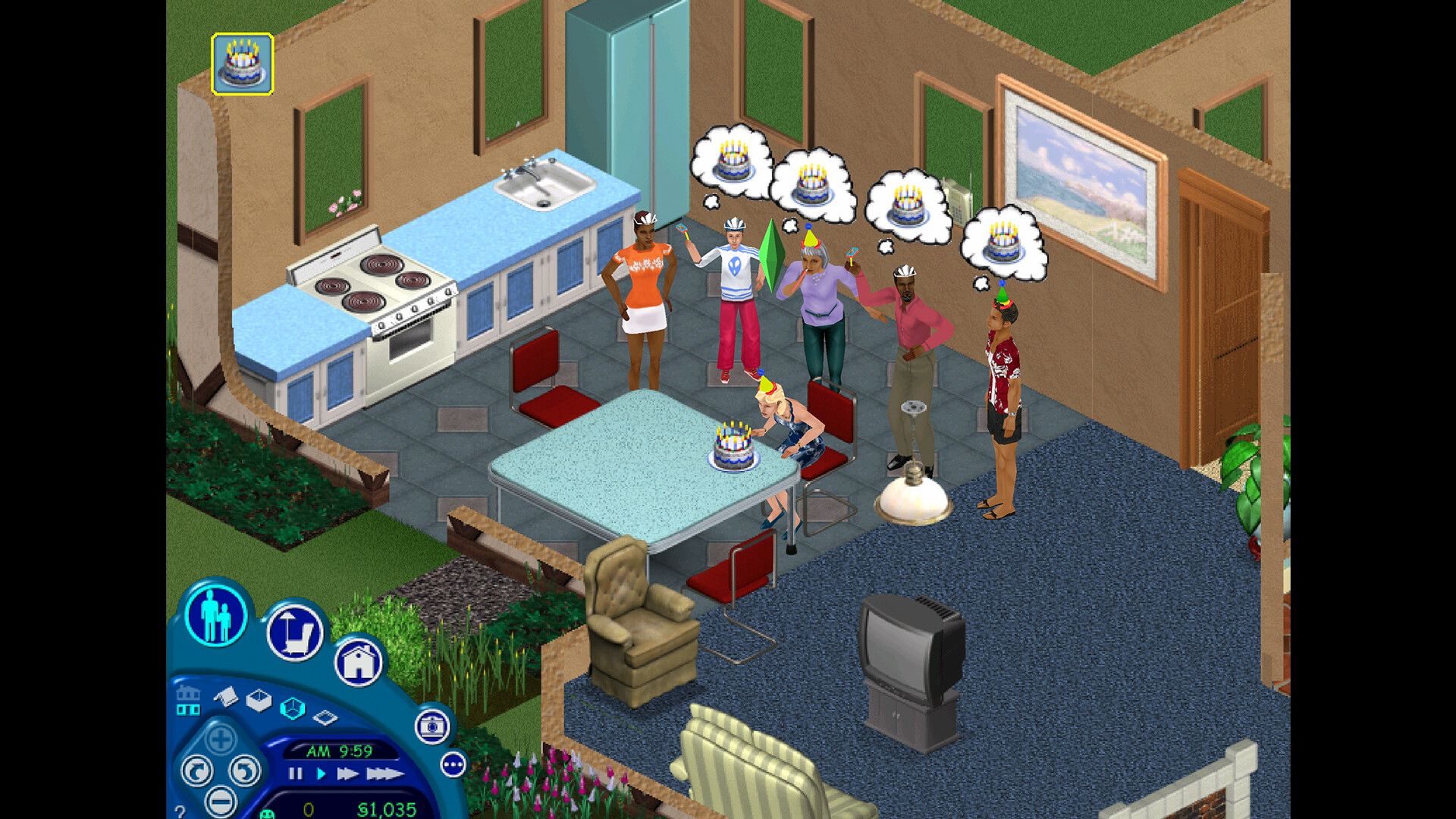
I had always been more of a casual gamer. Strategy games like Age of Empires and The Sims, and later FPS games like Left 4 Dead 2, were things I enjoyed playing. My introduction to the esports world actually came through my husband, who was a professional League of Legends shoutcaster at the time.


Through him, I began learning more about the industry and quickly became fascinated by how vibrant and community-driven it was. I started noticing how gaming communities were becoming incredibly powerful spaces for engagement and storytelling. It also made me realise that my background in communications, marketing and community engagement, which I studied at Murdoch, could translate naturally into that space.
Together we founded WDYK and began working with gaming and entertainment brands through influencer campaigns and community activations. That gradually evolved into deeper involvement with esports projects, including managing tournaments, creators and brand partnerships across multiple markets. Over the years, we’ve had the opportunity to collaborate with publishers and brands such as Riot Games on Wild Rift, EA on FC Mobile Pro Festivals, and Tencent across campaigns in Southeast Asia.


I’ve also had the opportunity to work at Riot Games on initiatives within the Southeast Asian VALORANT competitive ecosystem, which gave me a deeper appreciation of how much coordination and collaboration happens behind the scenes to bring esports events and communities to life.
What drew me in was the combination of competition, community and culture. Esports sit at the intersection of entertainment, sports and digital communities, and that’s a really exciting space to work in.
Do you still draw on knowledge gained from your Murdoch degree
in Comms and PR?
Absolutely, almost every day.
Esports sit at the intersection of brands, creators, players, fans and media, so understanding how to communicate with different audiences is essential. Studying Communications and PR at Murdoch gave me a strong foundation in how to think about communication strategically. The strategic thinking behind PR, including audience perception, messaging and reputation management, comes into play constantly.
The industry also moves very quickly, especially in the age of social media where communities are extremely engaged and vocal. Having that grounding in communications helps when navigating everything from campaign launches to crisis situations.
Murdoch really helped shape the way I think about storytelling, audience engagement and building meaningful connections, all of which are central to both marketing and esports.

What are some of the common misunderstandings or lack of knowledge about how the whole
e-sports world works?
One of the biggest misconceptions is that esports is simply 'people playing games'.
In reality, esports functions much more like traditional sports or entertainment industries. Behind every tournament, event, game and game IP, there are producers, broadcast teams, sponsorship managers, marketers, data analysts, game developers and community managers working behind the scenes.
Because of that, people often do not realise how many different career paths exist within esports. Players are only one part of the picture.
One area I have always cared deeply about is developing talent within the industry. Through my work with WDYK, I have had the opportunity to support the growth of emerging broadcast talent. Seeing individuals develop their craft and eventually appear at regional or global events has been incredibly rewarding.
Another common misunderstanding is that esports audiences are niche or small. In reality, global esports audiences number in the hundreds of millions, and the industry continues to grow in regions like Southeast Asia where gaming culture is deeply embedded.
What makes esports unique is that it is both a sport and a digital entertainment ecosystem. Fans are not just spectators. They actively participate through online communities, live chats, creator content and social media.
What do you envisage or see coming in the future for the industry?
I think esports will continue to evolve as part of a broader entertainment ecosystem.
We are already seeing collaborations between gaming publishers and industries like music, fashion and film. Large scale gaming events are also evolving into cultural festivals that bring together creators, brands and fans.
Another major shift is the rise of creator led ecosystems. Streamers and gaming creators now play a major role in shaping how audiences engage with games and tournaments.
Regionally, Southeast Asia is particularly exciting because of its strong mobile gaming culture and young, digitally connected audiences.
I am also hopeful that we will continue to see more diversity in the industry, including more women stepping into leadership roles across esports, broadcasting and gaming.
What has the whole journey been like with WDYK?
WDYK has been one of the most meaningful journeys of my career because it’s something my husband and I built together.
We started the company with the goal of helping brands connect authentically with gaming communities, but also to support the development of esports talent in the region.
Over the years, we’ve worked with a range of global brands and game publishers, executing creator campaigns, esports activations and community projects across Southeast Asia.
But beyond the campaigns themselves, one of the things I’ve found most fulfilling has been contributing to the growth of people within the ecosystem, whether that’s creators, hosts or shoutcasters finding their voice and developing their careers in esports.
Watching those individuals step onto larger stages over time has been incredibly rewarding.
The esports industry is still relatively young, so being able to contribute to growing both the community and the talent pipeline has been very fulfilling.
And you have somehow recently found time to work for Koelnmesse Pte Ltd?
Koelnmesse is the organiser behind Gamescom Asia, one of the largest gaming industry events in the region.
My role there focuses on building partnerships within the gaming ecosystem, working with developers, publishers and industry partners on exhibition opportunities, sponsorships and collaborations and helping bridge connections between global gaming companies and the Southeast Asian ecosystem.
Large industry gatherings like Gamescom play an important role in connecting different parts of the global gaming community and creating opportunities for collaboration across the industry.
I saw the story about your organ donation. How did that come about, how was the whole experience and are you kept up to date with how Raenelle is doing?
The organ donation actually came about quite unexpectedly.
I came across a Facebook post from a family looking for a liver donor for their then two-year-old daughter, Raenelle. She was a complete stranger to me, but something about the situation stayed with me. I decided to volunteer for the testing process to see if I might be a match.
When I found out I was compatible, the decision felt quite clear. If I had the ability to help save a child’s life, it felt like something I should do.
The surgery and recovery were certainly challenging, but seeing Raenelle regain her health made the experience incredibly meaningful. I do still receive occasional updates, and it’s wonderful to know she’s growing up healthy and thriving.





What’s a future goal for you?
Looking ahead, one of my long-term goals is to continue contributing to the growth of the gaming and esports ecosystem in Asia.
The region has an incredibly vibrant gaming culture, and there are still many opportunities to build stronger bridges between global brands, creators and communities.
On a more personal level, I also hope to continue sharing knowledge and mentoring others who want to enter the industry, especially those who may not realise that their skills in communications, marketing, or community building can translate into exciting careers in gaming.
Ultimately, I want to keep working at the intersection of culture, community and storytelling, helping create experiences that bring people together.
Valencia Orange
by Pablo Hughes
The Murdoch University Art Collection is pleased to announce the acquisition of Valencia Orange by Perth-based multidisciplinary artist Pablo Hughes.
Working primarily in photographic media, Hughes explores themes of decay and renewal, drawing attention to overlooked aspects of the everyday. Although his images are absent of people, traces of human presence remain embedded in weathered surfaces and altered environments. His practice engages contemporary concerns including reflections on climate change, while addressing broader themes of transformation, change, and escape.
Born in Dublin and of Spanish descent, Hughes has spent most of his adult life in Boorloo/Perth. His heritage informs his visual language, connecting Western Australia with his family’s homeland of Spain. He holds a Bachelor of Arts in Media Studies and Photo Media from Edith Cowan University and has exhibited widely. His works are held in public collections including Edith Cowan University, North Metropolitan Tafe, the City of Bunbury, and the City of Melville.
The Artwork
Part of the exhibition Eclipsed Imprints, Valencia Orange
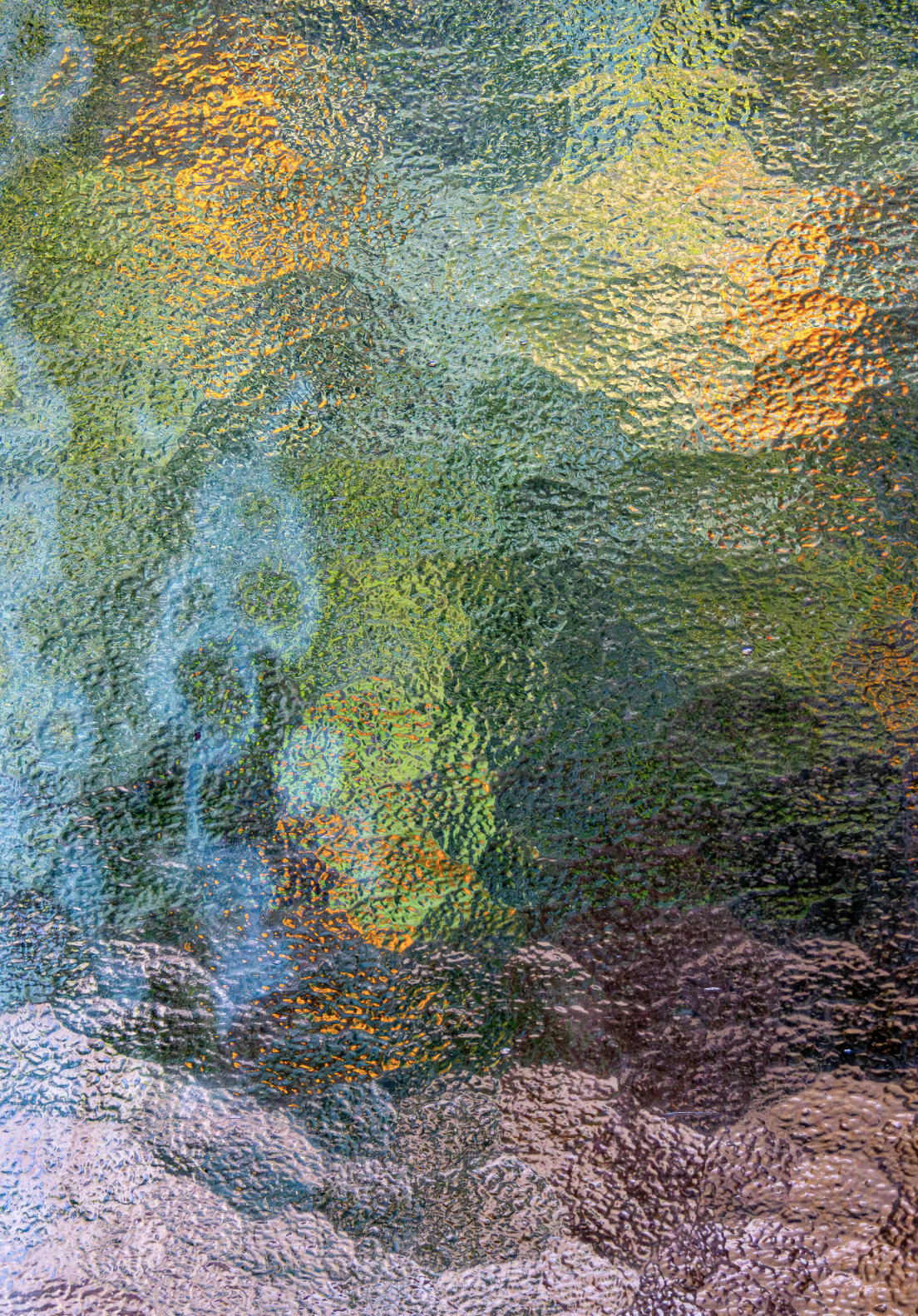
was photographed in La Bisbal d’Empordà, Spain. Hughes captured the image through a textured windowpane, transforming an orange tree and surrounding vegetation into an abstract interplay of light and surface.
Drawn to decaying materials and overlooked details, Hughes treats aged glass and weathered textures as opportunities for abstraction. Influenced by the phenomenon of pareidolia (the tendency to perceive faces or forms in inanimate objects) his compositions encourage viewers to search for meaning beneath the surface rather than follow a fixed narrative.
In Valencia Orange, raised and indented patterns in the glass scatter light into subtle gradients and highlights. Areas shift between translucency and opacity, creating a layered, almost painterly effect. Sun-bleached tones and softened forms evoke the passage of time, positioning the photograph as a psychological environment where presence and absence coexist.
This acquisition strengthens the Murdoch University Art Collection’s representation of contemporary photographic practice, highlighting Hughes’s ability to elevate everyday materials into contemplative and visually compelling works.


Valencia Orange
by Pablo Hughes
The Murdoch University Art Collection is pleased to announce the acquisition of Valencia Orange by Perth-based multidisciplinary artist Pablo Hughes.
Working primarily in photographic media, Hughes explores themes of decay and renewal, drawing attention to overlooked aspects of the everyday. Although his images are absent of people, traces of human presence remain embedded in weathered surfaces and altered environments. His practice engages contemporary concerns including reflections on climate change, while addressing broader themes of transformation, change, and escape.
Born in Dublin and of Spanish descent, Hughes has spent most of his adult life in Boorloo/Perth. His heritage informs his visual language, connecting Western Australia with his family’s homeland of Spain. He holds a Bachelor of Arts in Media Studies and Photo Media from Edith Cowan University and has exhibited widely. His works are held in public collections including Edith Cowan University, North Metropolitan Tafe, the City of Bunbury, and the City of Melville.

The Artwork
Part of the exhibition Eclipsed Imprints, Valencia Orange
was photographed in La Bisbal d’Empordà, Spain. Hughes captured the image through a textured windowpane, transforming an orange tree and surrounding vegetation into an abstract interplay of light and surface.
Drawn to decaying materials and overlooked details, Hughes treats aged glass and weathered textures as opportunities for abstraction. Influenced by the phenomenon of pareidolia (the tendency to perceive faces or forms in inanimate objects) his compositions encourage viewers to search for meaning beneath the surface rather than follow a fixed narrative.
In Valencia Orange, raised and indented patterns in the glass scatter light into subtle gradients and highlights. Areas shift between translucency and opacity, creating a layered, almost painterly effect. Sun-bleached tones and softened forms evoke the passage of time, positioning the photograph as a psychological environment where presence and absence coexist.
This acquisition strengthens the Murdoch University Art Collection’s representation of contemporary photographic practice, highlighting Hughes’s ability to elevate everyday materials into contemplative and visually compelling works.
Complex Regional Pain Syndrome triggers migraines in majority of patients
Two out of three adults diagnosed with Complex Regional Pain Syndrome (CRPS) will experience new or worsening migraines, with one in five patients suffering near-daily headaches.
A new study from Murdoch University has established a direct connection between CRPS and headaches. It found the debilitating conditions often occur on the same side of the body with overlapping symptoms.
The study of 88 adult CRPS patients from Perth, Western Australia found 66% of participants reported migraines that had started or gotten worse after the onset of CRPS. 22% had headaches almost every day.
Professor Peter Drummond from Murdoch University’s School of Psychology said the research was an important step towards more effective treatment of these debilitating conditions.
“We found that migraine headaches often began or got worse after the injury that triggered CRPS. There seemed to be a direct connection between the limb injury and the headaches as they were often on the same side of the body and symptoms overlapped. That is, one condition may feed the other.
“Unfortunately, many people with CRPS face the prospect of enduring a lifetime of pain because understanding is poor and treatment options are limited.
“We hope that greater recognition of the link between CRPS and migraine will clarify understanding of both conditions and will result in more effective treatment of headaches and a better quality of life for people with CRPS.
“It is crucial that we clarify our understanding of the mechanisms that drive chronic pain so that more effective treatments can be developed.”
CRPS and migraine symptoms, such as limb pain, sensitivity to light and touch, and forehead tenderness often appear on the same side of the body.
The research supports the idea that the injury that sparks CRPS may increase sensitivity to pain long-term, which then fuels both migraine and CRPS symptoms. Over time, the two conditions may worsen each other.
The study recommends screening for migraine in CRPS clinics and screening for CRPS signs in headache clinics as practical considerations for clinicians and supports integrated management of the conditions.
Migraine is the most common neurological condition in Australia affecting 1.7 million people and has been estimated to cost the economy tens of billions of dollars in health system costs and lost productivity.
While Complex regional pain syndrome (CRPS) is a rare but serious condition that occasionally develops after a limb injury such as a fracture or sprain. Pain can persist for months or years and may spread away from the site of injury as time goes on.
The full study, Complex regional pain syndrome and migraine: Clinical relationships and possible common aetiology, can be found in the Cephalagia journal.
"We hope that greater recognition of the link betwen CRPS and migraine will clarify understanding of both conditions and will result in more effective treatment of headaches and a better quality of life for people with CRPS."
(Image by Hello Cdd20 from Pixabay)




Complex Regional Pain Syndrome triggers migraines in majority of patients
Two out of three adults diagnosed with Complex Regional Pain Syndrome (CRPS) will experience new or worsening migraines, with one in five patients suffering near-daily headaches.
A new study from Murdoch University has established a direct connection between CRPS and headaches. It found the debilitating conditions often occur on the same side of the body with overlapping symptoms.
The study of 88 adult CRPS patients from Perth, Western Australia found 66% of participants reported migraines that had started or gotten worse after the onset of CRPS. 22% had headaches almost every day.
Professor Peter Drummond from Murdoch University’s School of Psychology said the research was an important step towards more effective treatment of these debilitating conditions.
“We found that migraine headaches often began or got worse after the injury that triggered CRPS. There seemed to be a direct connection between the limb injury and the headaches as they were often on the same side of the body and symptoms overlapped. That is, one condition may feed the other.
“Unfortunately, many people with CRPS face the prospect of enduring a lifetime of pain because understanding is poor and treatment options are limited.
“We hope that greater recognition of the link between CRPS and migraine will clarify understanding of both conditions and will result in more effective treatment of headaches and a better quality of life for people with CRPS.
“It is crucial that we clarify our understanding of the mechanisms that drive chronic pain so that more effective treatments can be developed.”
CRPS and migraine symptoms, such as limb pain, sensitivity to light and touch, and forehead tenderness often appear on the same side of the body.
The research supports the idea that the injury that sparks CRPS may increase sensitivity to pain long-term, which then fuels both migraine and CRPS symptoms. Over time, the two conditions may worsen each other.
The study recommends screening for migraine in CRPS clinics and screening for CRPS signs in headache clinics as practical considerations for clinicians and supports integrated management of the conditions.
Migraine is the most common neurological condition in Australia affecting 1.7 million people and has been estimated to cost the economy tens of billions of dollars in health system costs and lost productivity.
While Complex regional pain syndrome (CRPS) is a rare but serious condition that occasionally develops after a limb injury such as a fracture or sprain. Pain can persist for months or years and may spread away from the site of injury as time goes on.
The full study, Complex regional pain syndrome and migraine: Clinical relationships and possible common aetiology, can be found in the Cephalagia journal.
"We hope that greater recognition of the
link betwen CRPS and migraine will clarify understanding of both conditions and will result in more effective treatment of headaches and a better quality of life for people with CRPS."
(Image by Hello Cdd20 from Pixabay)
 Built with Shorthand